Logo & Brand Identity
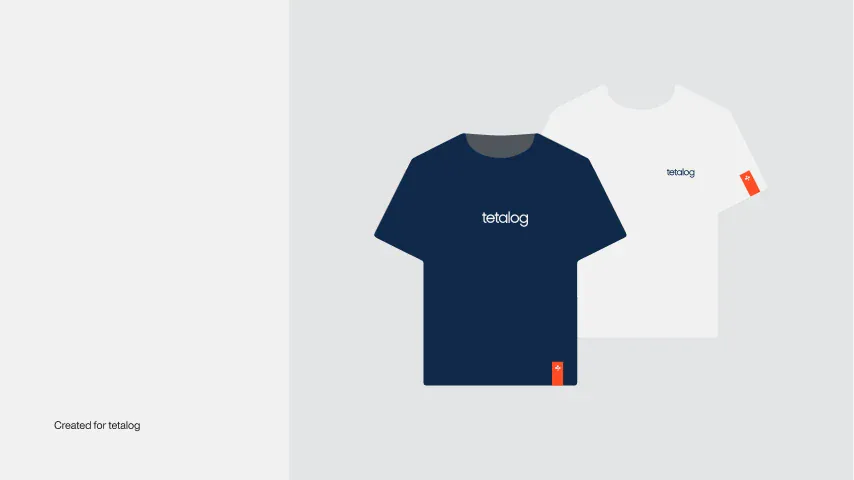
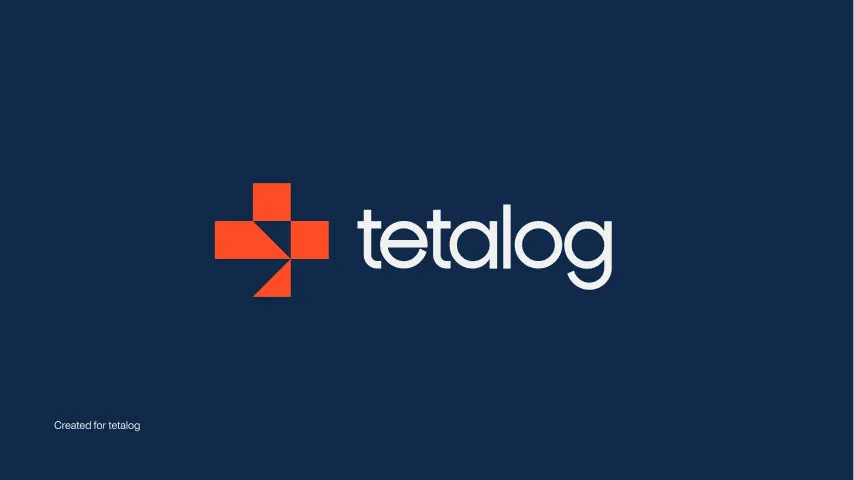
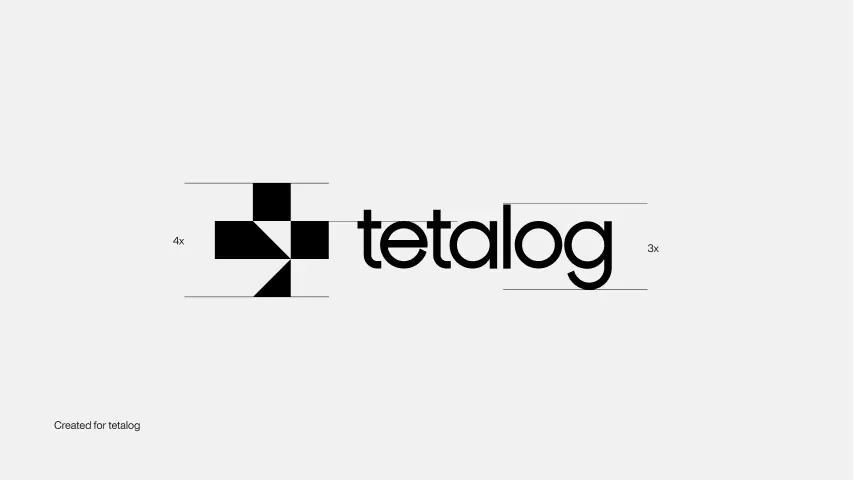
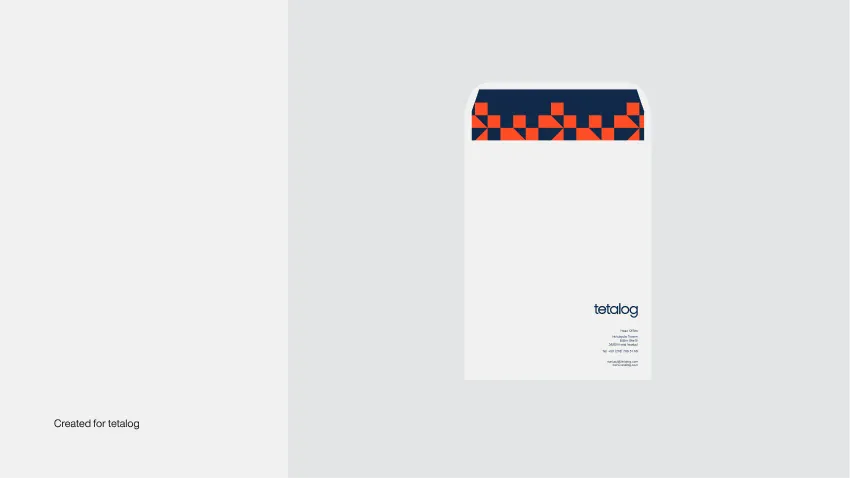
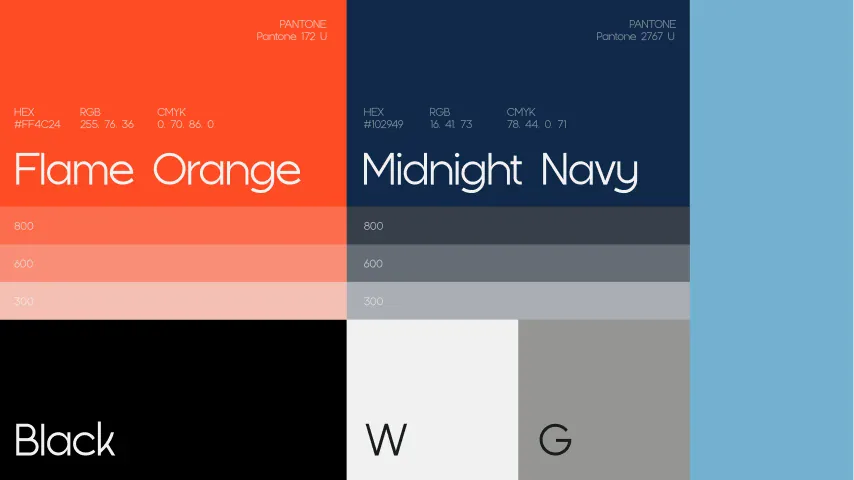
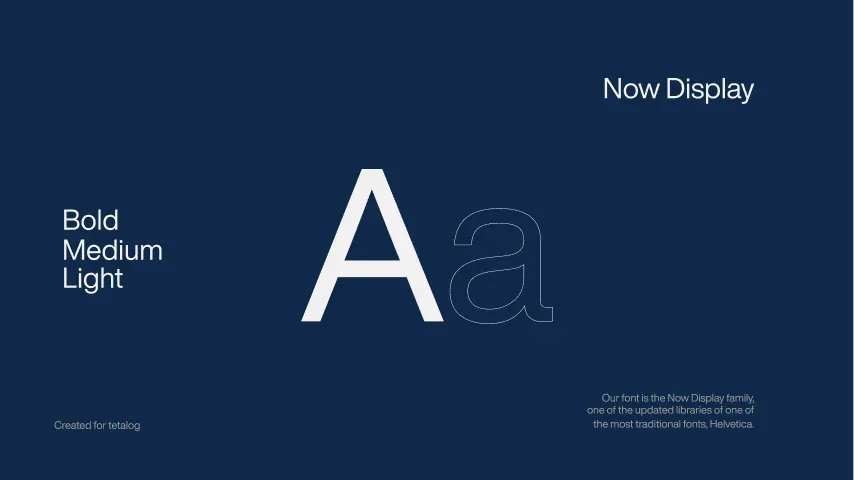
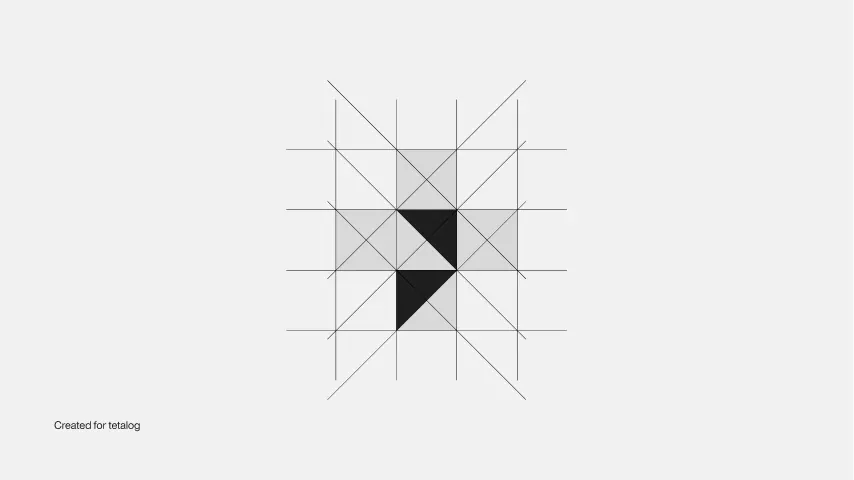
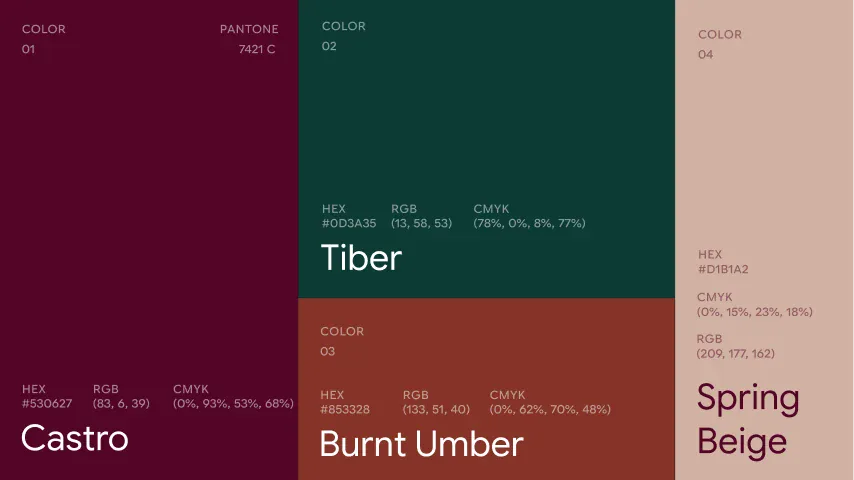
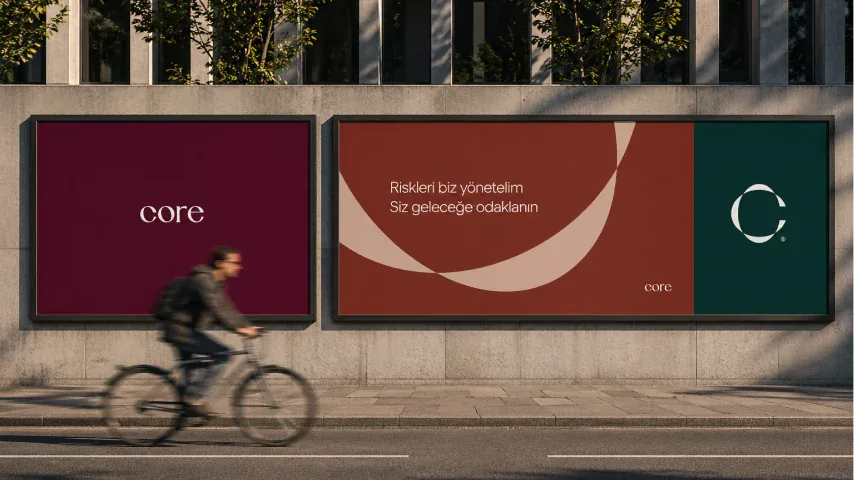
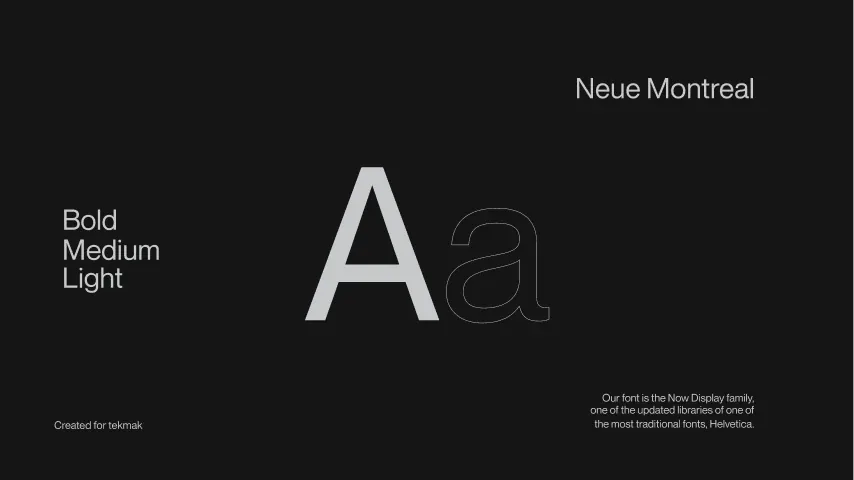
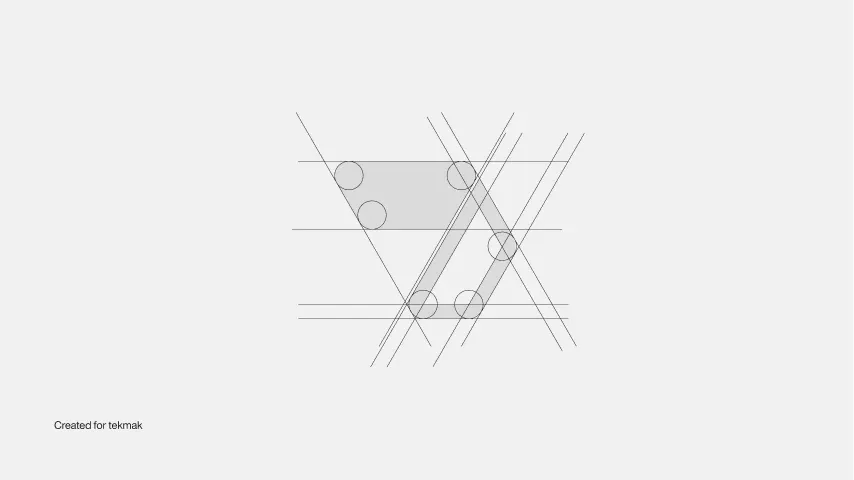
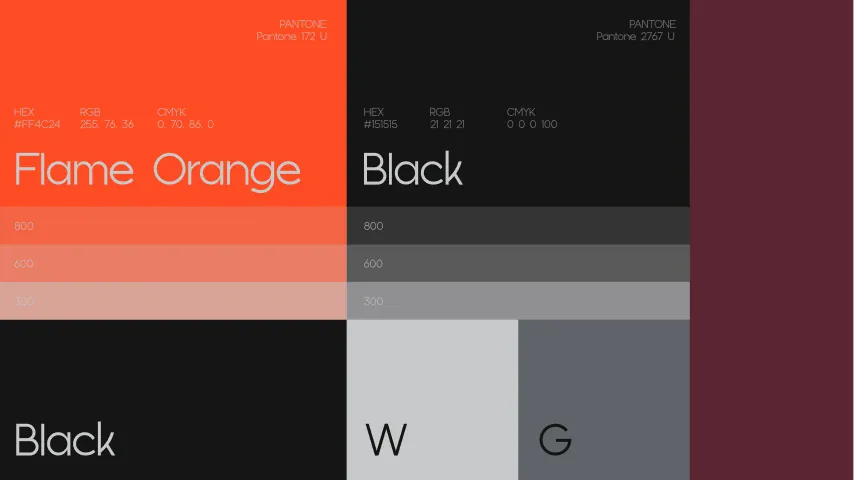
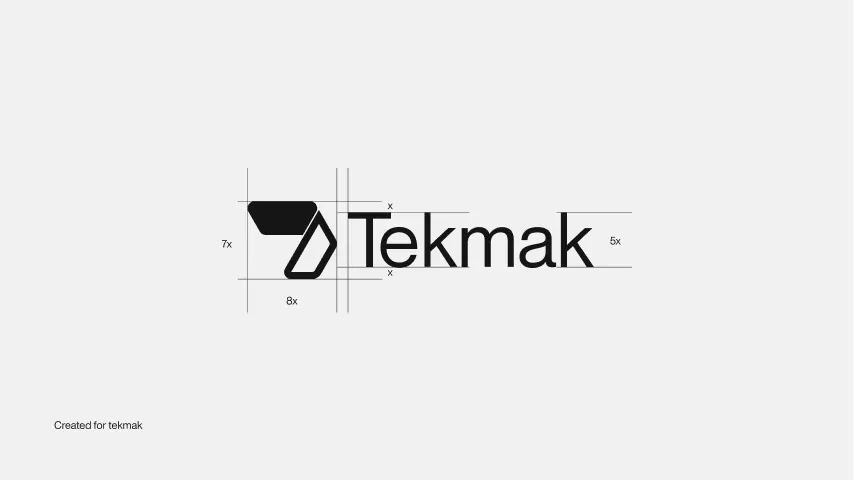
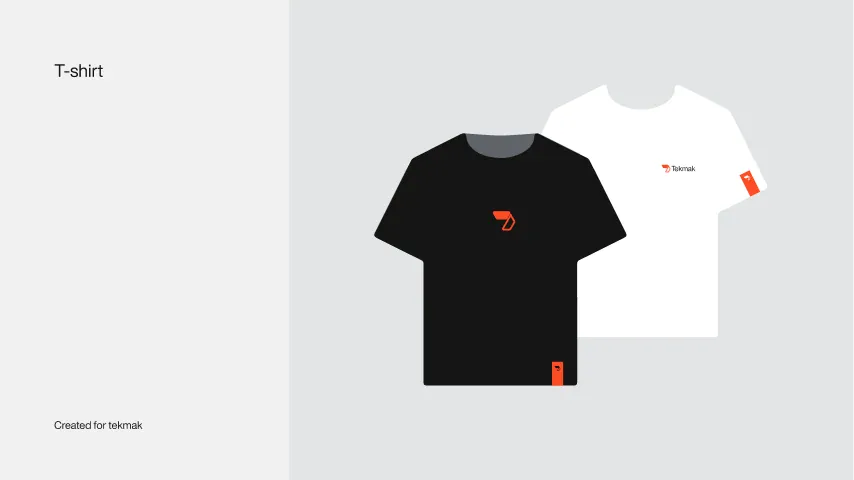
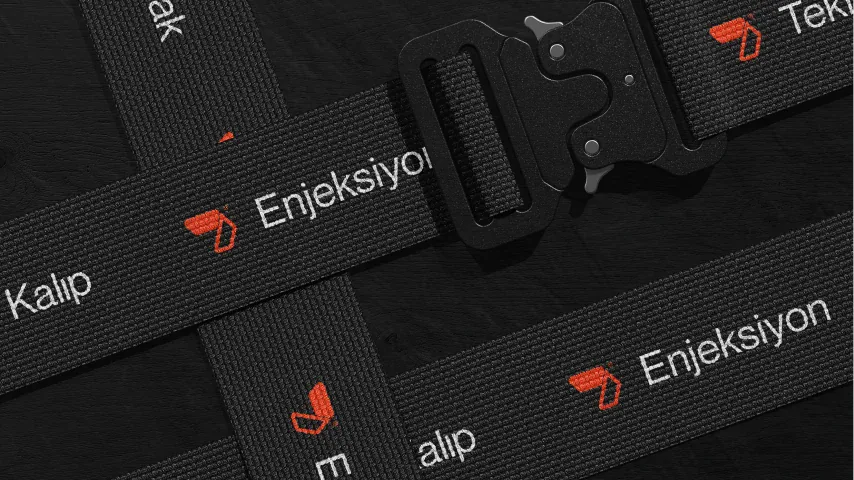
Completed Logo & Brand Identity Projects
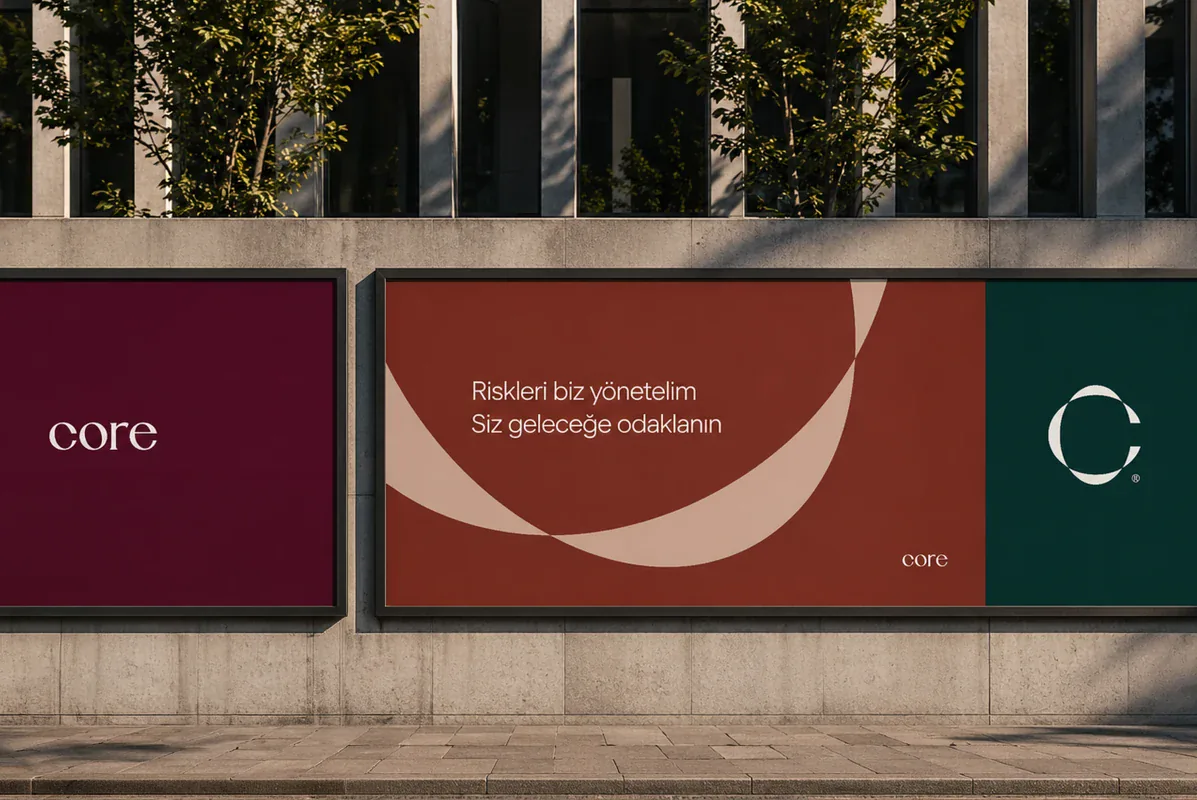
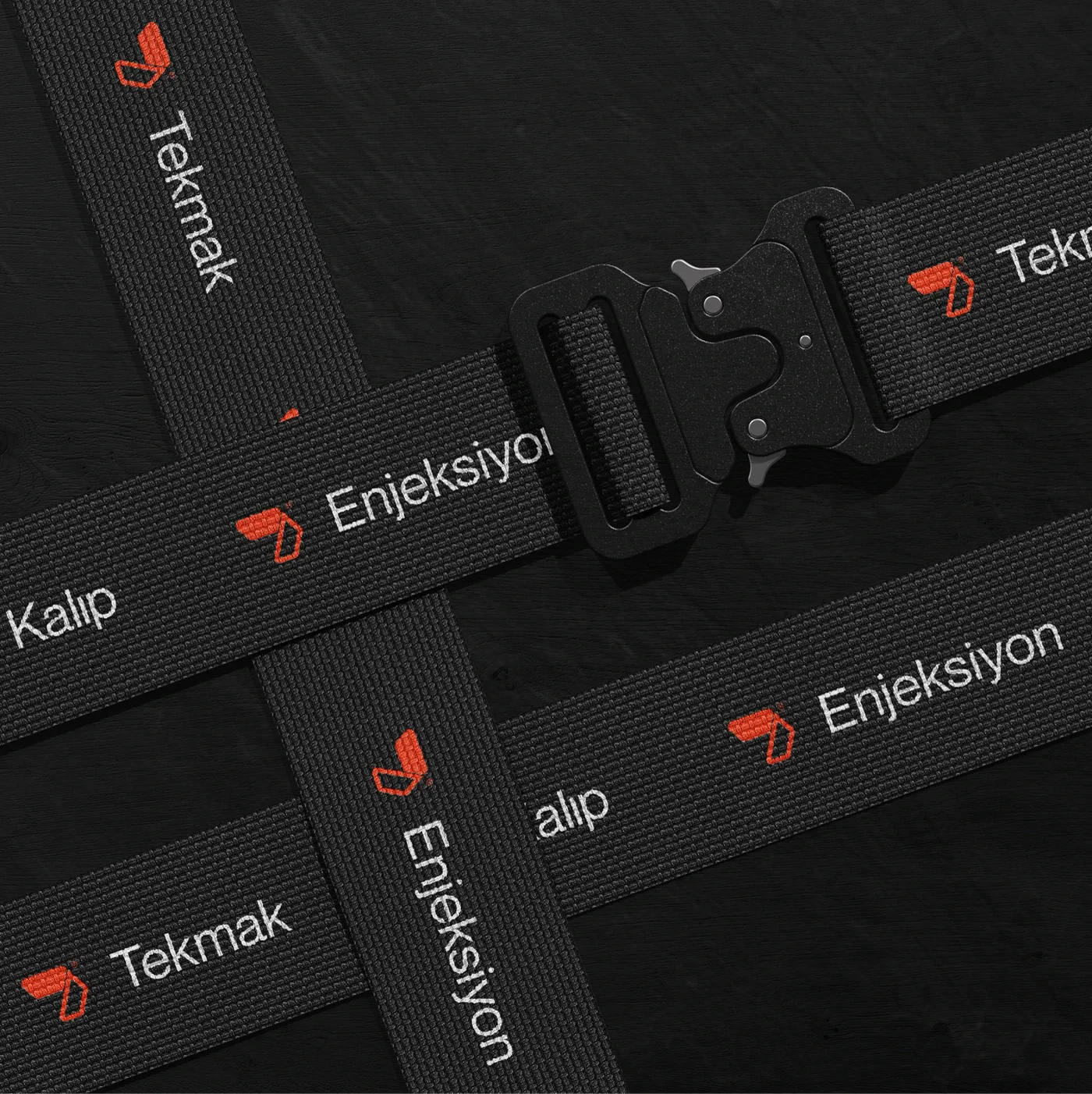
Build Your Brand Identity Scope
Select your brand’s situation and needs to see the recommended scope, estimated budget and timeline together.
Every brand starts from a different place; the scope grows as the brand’s range of touchpoints expands.
Process
Brand Strategy and Research
Every logo and brand identity project starts before design — with the brand defining itself clearly.
At this stage we study the brand, its sector, competitors and audience together. We establish where the brand stands in the market today, how it is perceived and where it wants to be positioned in the future. For an existing brand, we also assess the recognition, associations and visual equities built over the years that are worth keeping.
The goal is not to pick a style for the design but to surface the reasons behind every visual decision. The logo, colour, typography and other brand elements are built on this strategic framework.
Visual Direction and Design Approach
Here the strategic framework is translated into the brand’s visual character.
We define core directions — whether the brand should feel more corporate, technical, innovative, premium, warm or approachable. By examining the visual codes used by competitors, we develop a design approach that keeps the brand connected to its category while carving out a space of its own.
Decisions on typography, colour, form, grid, imagery and composition are shaped by this approach. That way design choices are judged against the brand’s positioning and communication needs rather than personal taste.
Logo and Visual Identity Design
Following the agreed direction, we create the logo and the brand’s core visual system.
The logo, emblem or logotype is designed with the brand’s character, use cases and scalability in mind. We then develop the colour palette, typography, supporting graphic elements, iconography and, where needed, illustration or imagery principles.
The aim is less about producing a strong logo in isolation and more about building a system that carries the same character across every touchpoint. The logo is one of the most visible parts of that system.
Brand Applications and Visual System
The new identity is carried into the brand’s real touchpoints.
We prepare sample applications for corporate documents, social media, the website, presentations, signage, packaging or any other channel the brand needs. Logo sizes, colour combinations, typographic hierarchies, grid structure and the use of graphic elements are tested on these applications.
This stage also proves the scalability of the visual system. Whenever the brand meets a new channel or type of content, it should be able to sustain the same identity without being redesigned every time.
Brand Guidelines and Handover
At the end of the project we prepare brand guidelines that describe how the system should be used.
Logo variations, use cases, colour codes, the typography system, graphic elements and core application principles are documented. All required files are delivered in formats suited to both digital and print use.
The guidelines are more than a usage manual. They make sure the decisions taken during the design process can be carried forward consistently by future teams, agencies and suppliers.
Brand Identity Design Starts with Strategy
Deciding to refresh a brand’s face can sound simple. In reality, rebranding is a decision with high uncertainty and deep strategic weight. That is because a brand identity is the sum of associations, experiences, achievements and customer feelings accumulated over years.
Expert Article →Which Scenario Fits You?
The need for a logo and brand identity doesn’t arise at the same point for every brand. Some need a brand-new identity, some need to develop their existing system, and others need a more comprehensive repositioning.
People reading this page usually also look into
What is the difference between logo design and brand identity?
Çağakan Bağcı Head of Agency
A logo is one of the core visual elements that makes a brand recognisable. Brand identity is a broader system that includes the logo along with colours, typography, graphic language, imagery principles and how all of these are applied across channels.
So logo design is one part of brand identity. Brand identity is what lets a brand carry the same character across every touchpoint.
How long does logo and brand identity design take?
Çağakan Bağcı Head of Agency
It depends on the project scope, the current state of the brand and the number of applications needed.
Work focused solely on a logo can move faster. Projects covering brand research, strategy, visual identity, applications and guidelines can span several weeks. A significant share of that time goes into setting the right direction before design begins.
Do we need to replace our current logo entirely?
Çağakan Bağcı Head of Agency
Not every project needs that. The recognition and visual memory a brand has built over the years is a valuable asset in any renewal. Over time, the logo, colours and typography become part of the brand’s web of associations.
That is why elements that work in the current identity can be kept, simplified or reinterpreted within the new system. The extent of the change depends on why the brand is being renewed.
What makes a good logo?
Çağakan Bağcı Head of Agency
A good logo should identify the brand, work across different sizes and media, and function together with the brand’s visual system.
But a logo’s success is not measured by its form alone. Its relationship with the brand’s positioning, the recognition it earns over time and the visual system around it all directly affect its strength.
How does brand strategy influence logo design?
Çağakan Bağcı Head of Agency
Brand strategy sets the core framework that determines the direction of every visual decision.
The brand’s audience, market position, character and future goals influence many choices — from typography and colour to the character of the logo and the rhythm of the visual system. The resulting identity becomes a system that can explain why the brand should look the way it does, rather than a piece of work resting on aesthetic preference alone.
Which materials does a brand identity cover?
Çağakan Bağcı Head of Agency
The scope is defined by the brand’s needs. The logo system, colour palette, typography and graphic language usually form the foundation.
Corporate documents, presentation templates, social media systems, web applications, signage, packaging, vehicle graphics and other brand-specific materials can be added on top.
What is the difference between rebranding and a logo refresh?
Çağakan Bağcı Head of Agency
A logo refresh focuses on updating the brand’s visual mark. Rebranding addresses the brand’s positioning, identity and visual system within a much broader frame.
If the brand’s business model, audience or market position has changed, the question may go well beyond how the logo looks. In that case the existing brand memory is assessed as well, and a more comprehensive identity system is built for the new chapter.
Why should a brand identity be consistent?
Çağakan Bağcı Head of Agency
When a brand shows a different character on its website, social media, presentations and physical applications, it becomes harder to recognise.
A consistent brand system is about more than always putting the colour or logo in the same place. Typography, visual language, composition, graphic elements and tone of communication work together so the brand builds a visual memory of its own over time.