Web Design
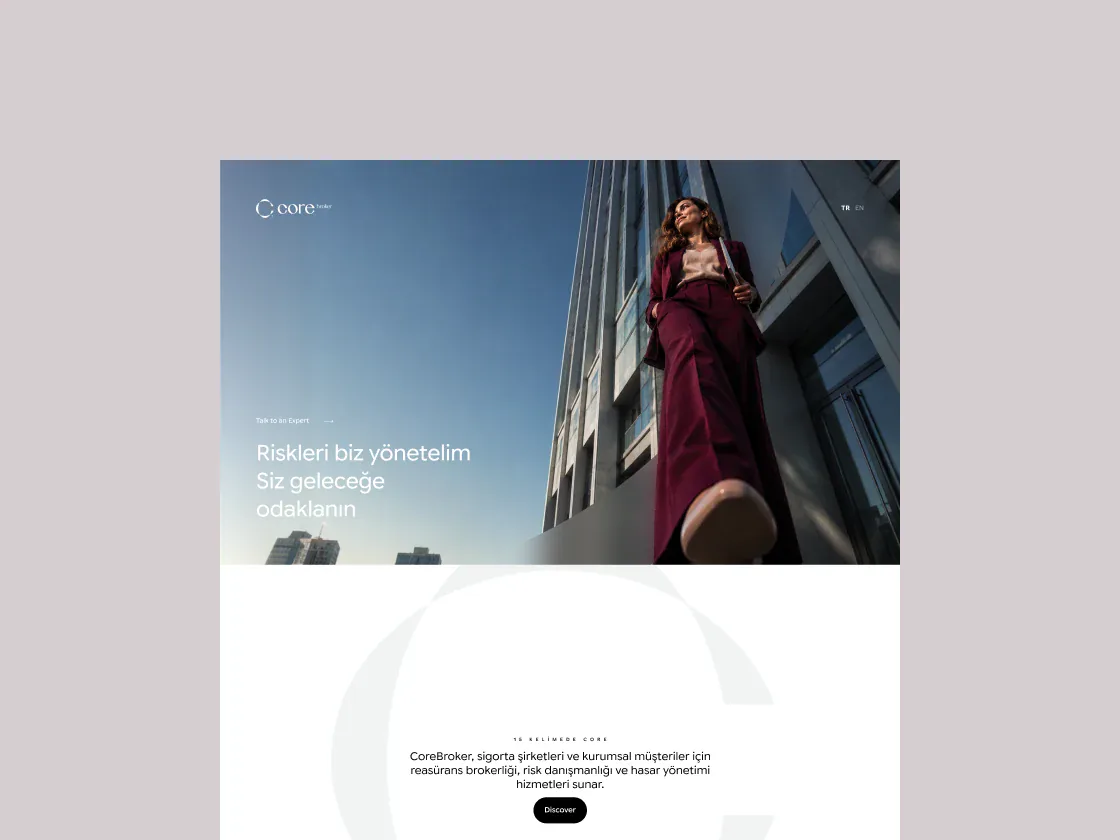
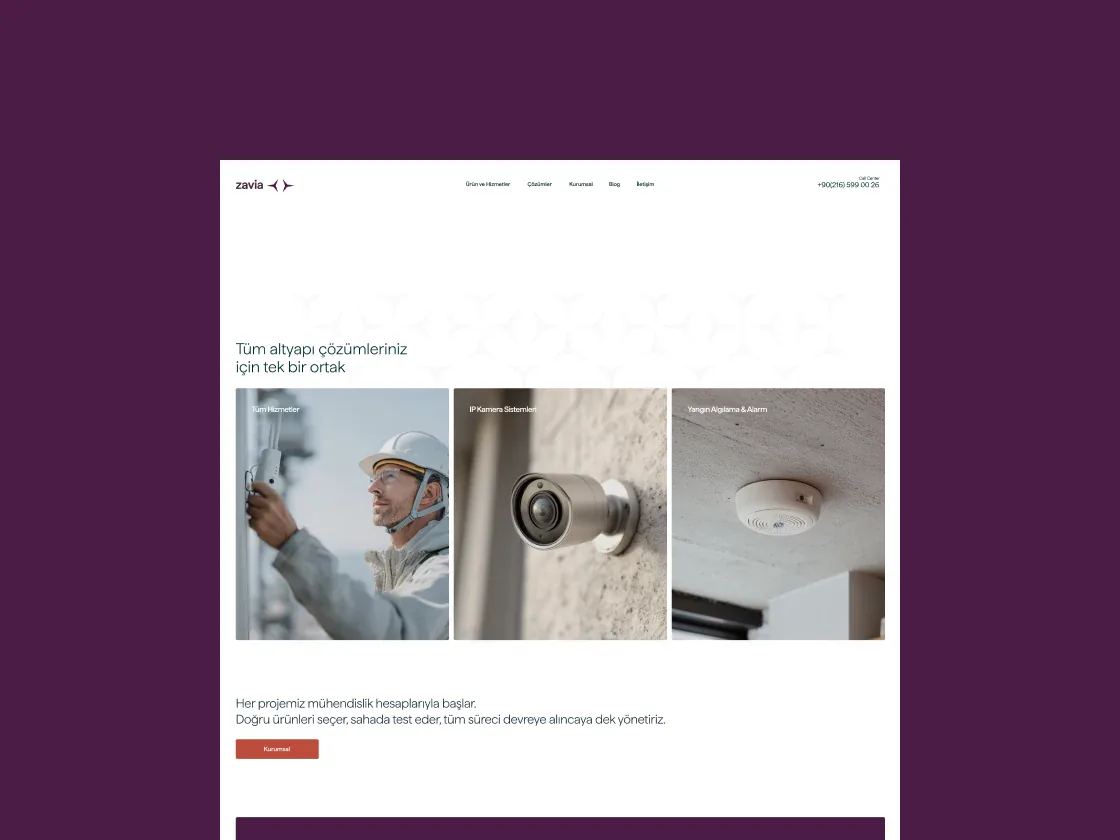
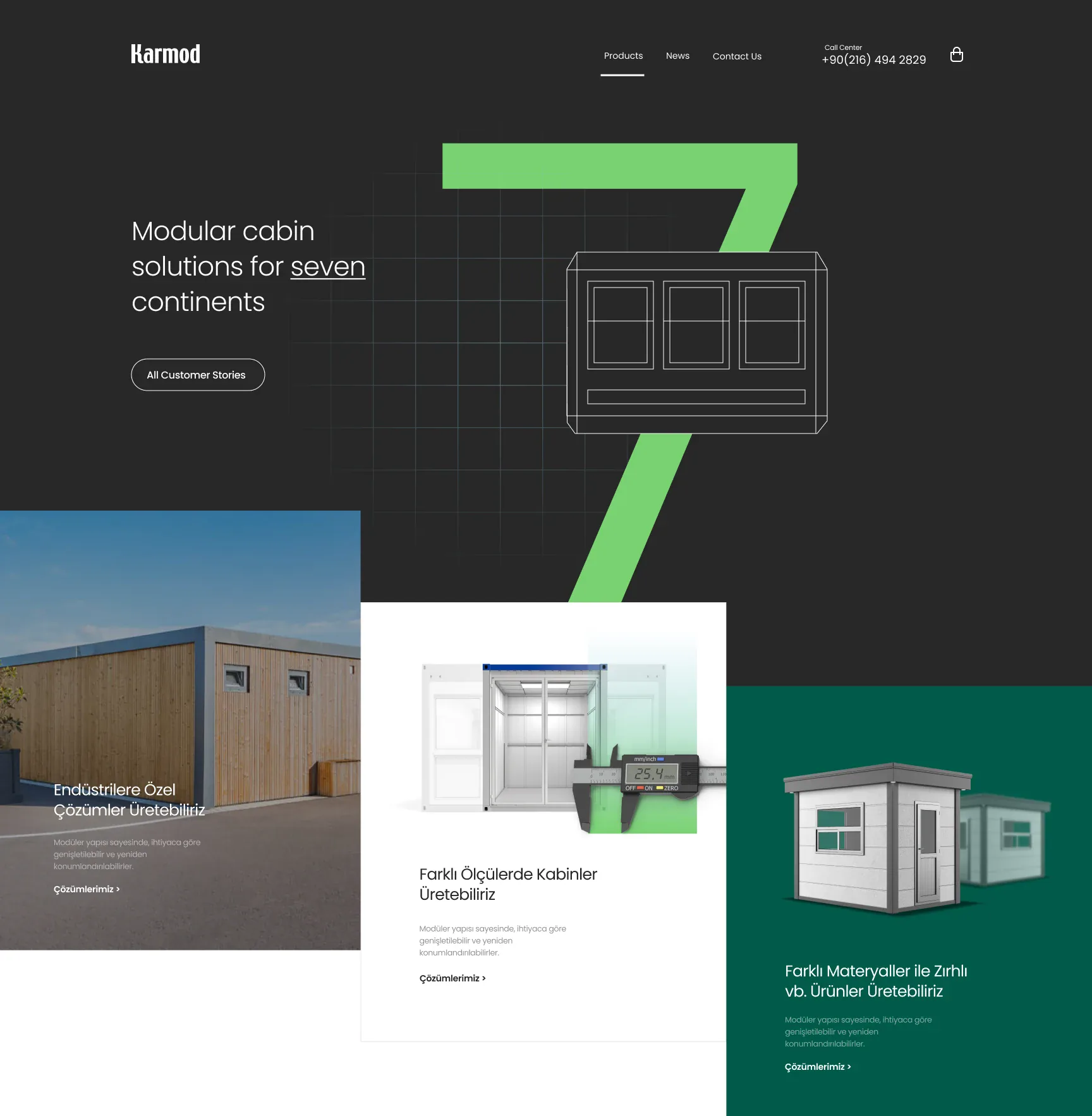
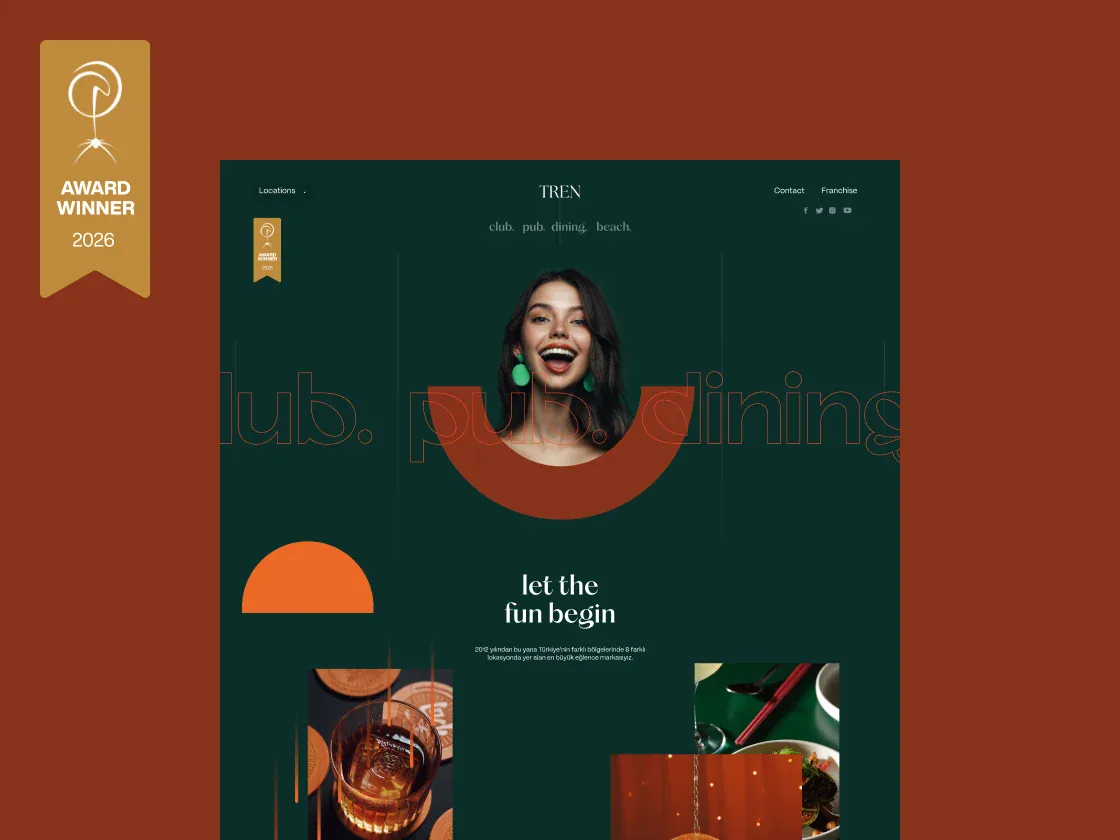
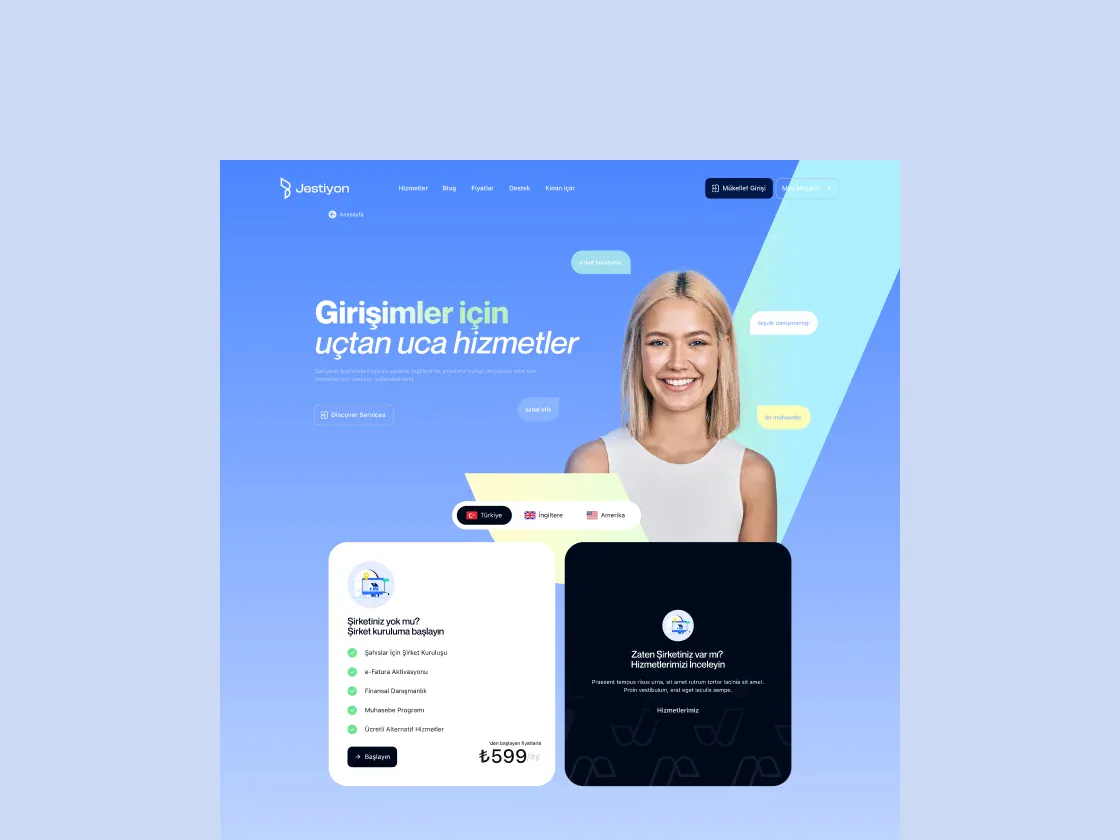
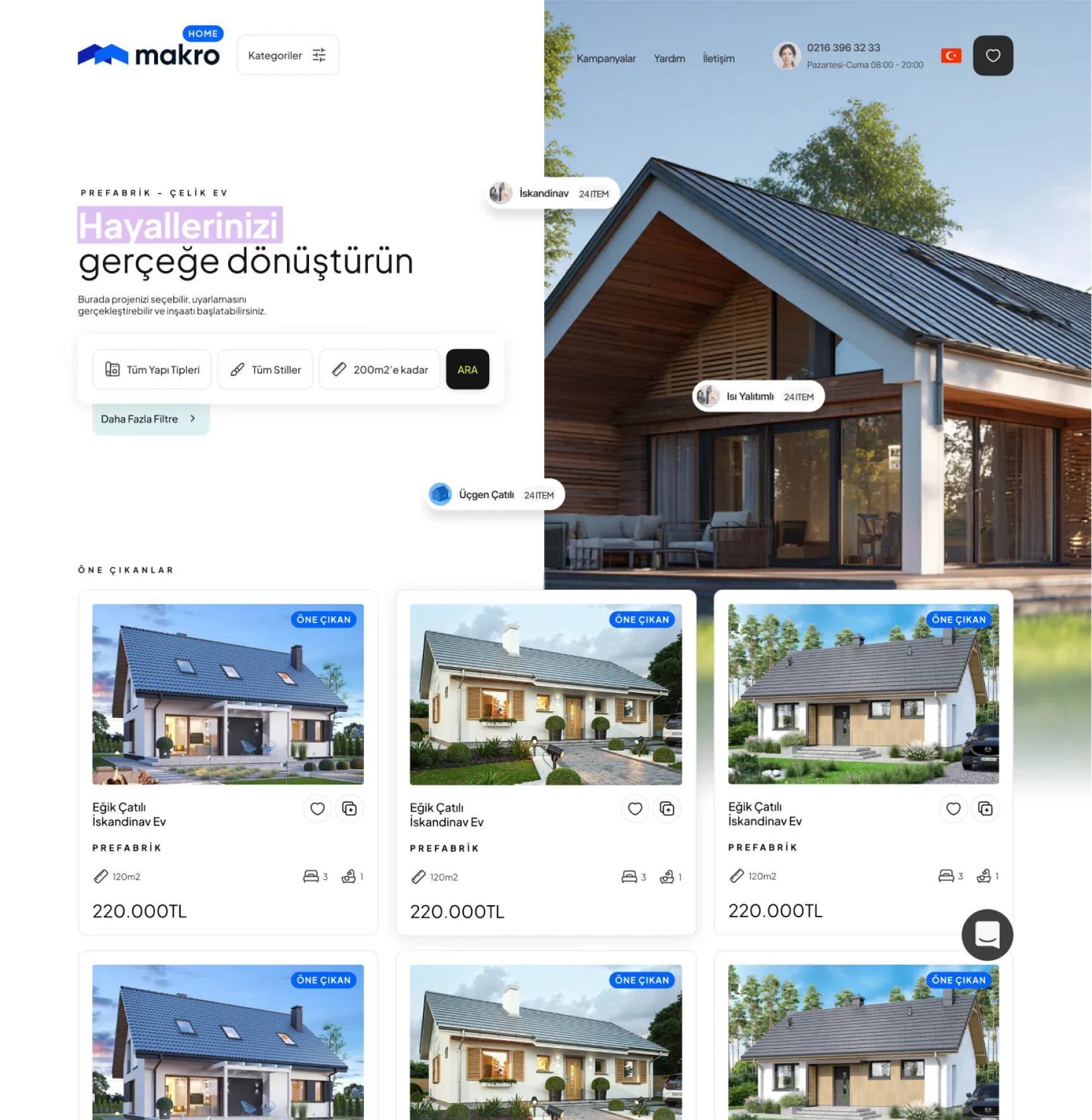
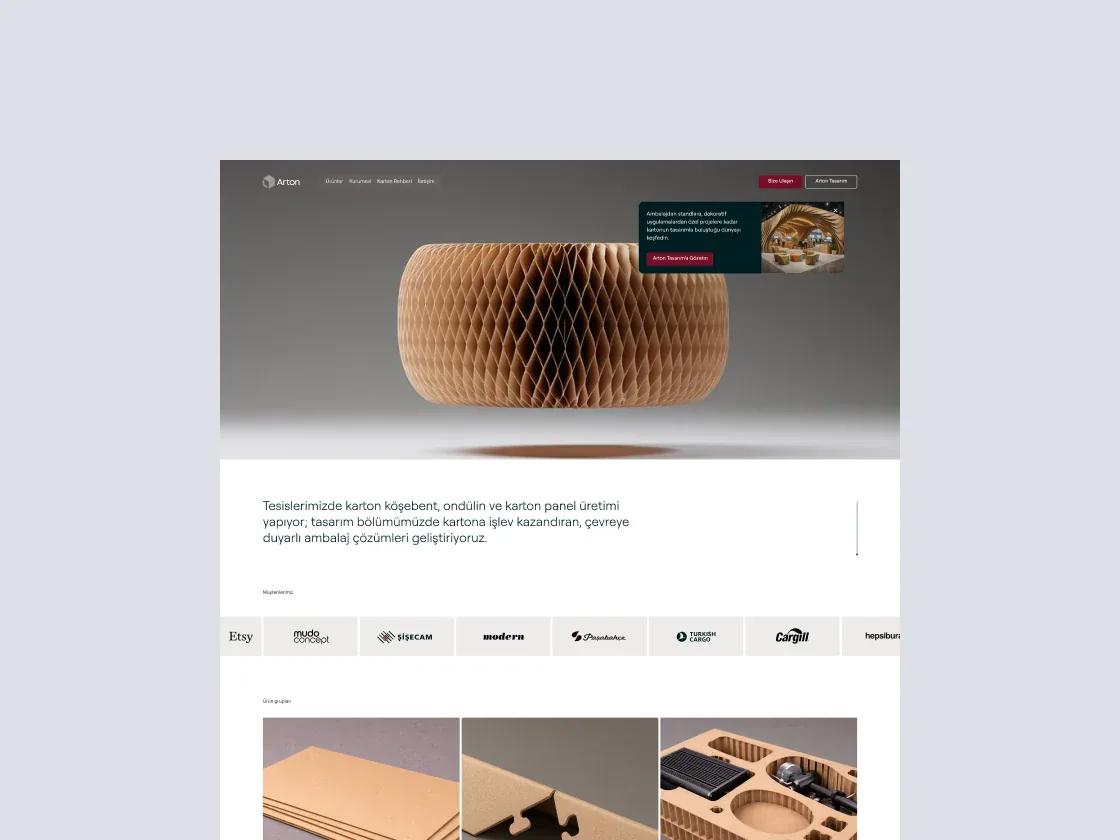
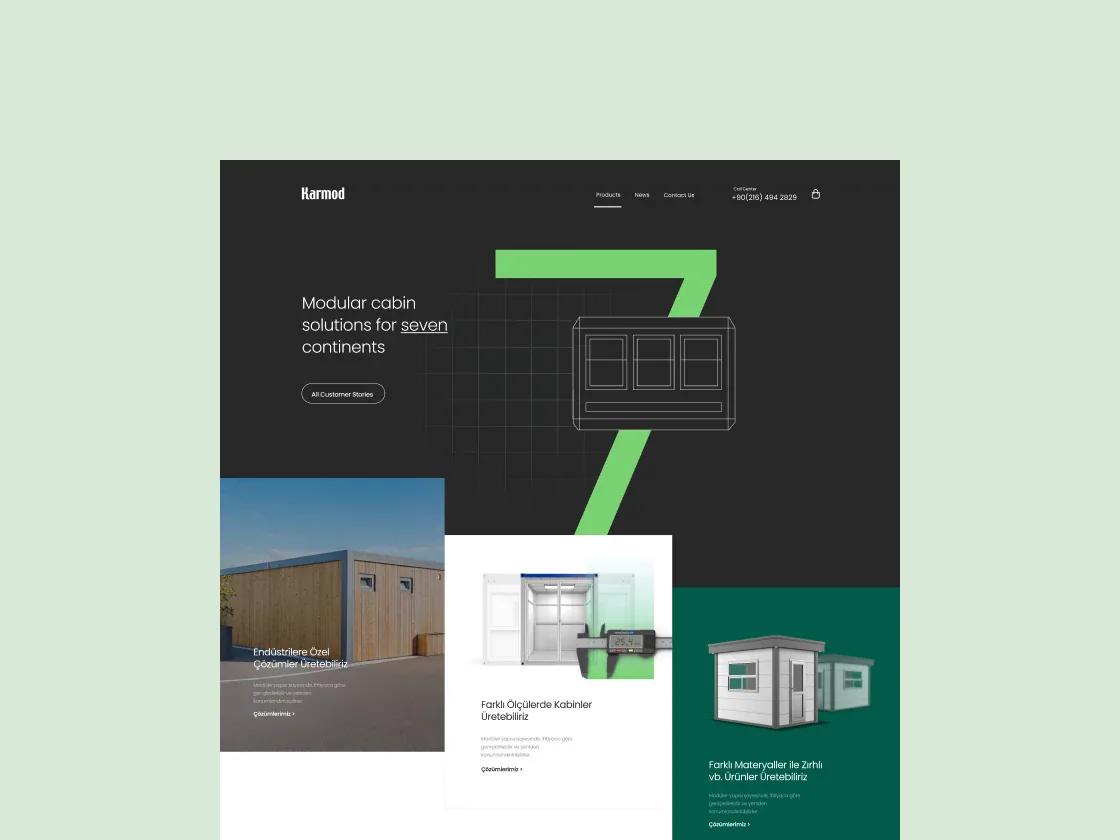
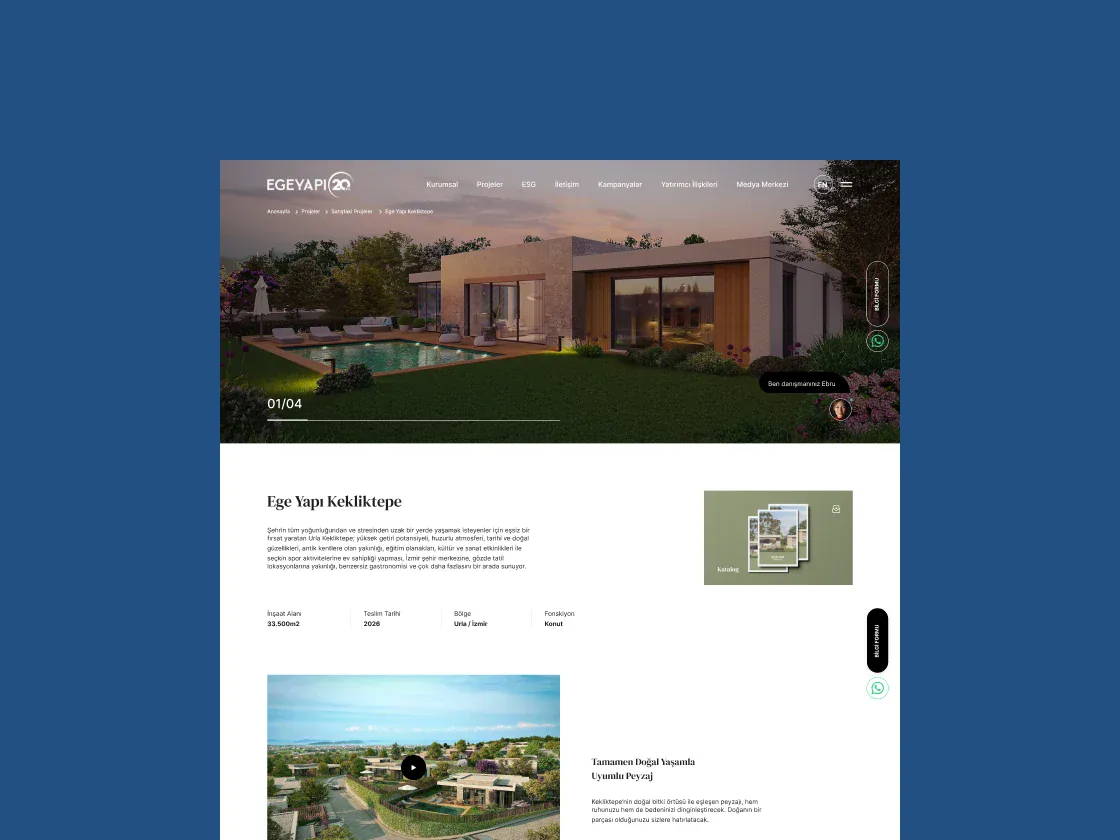
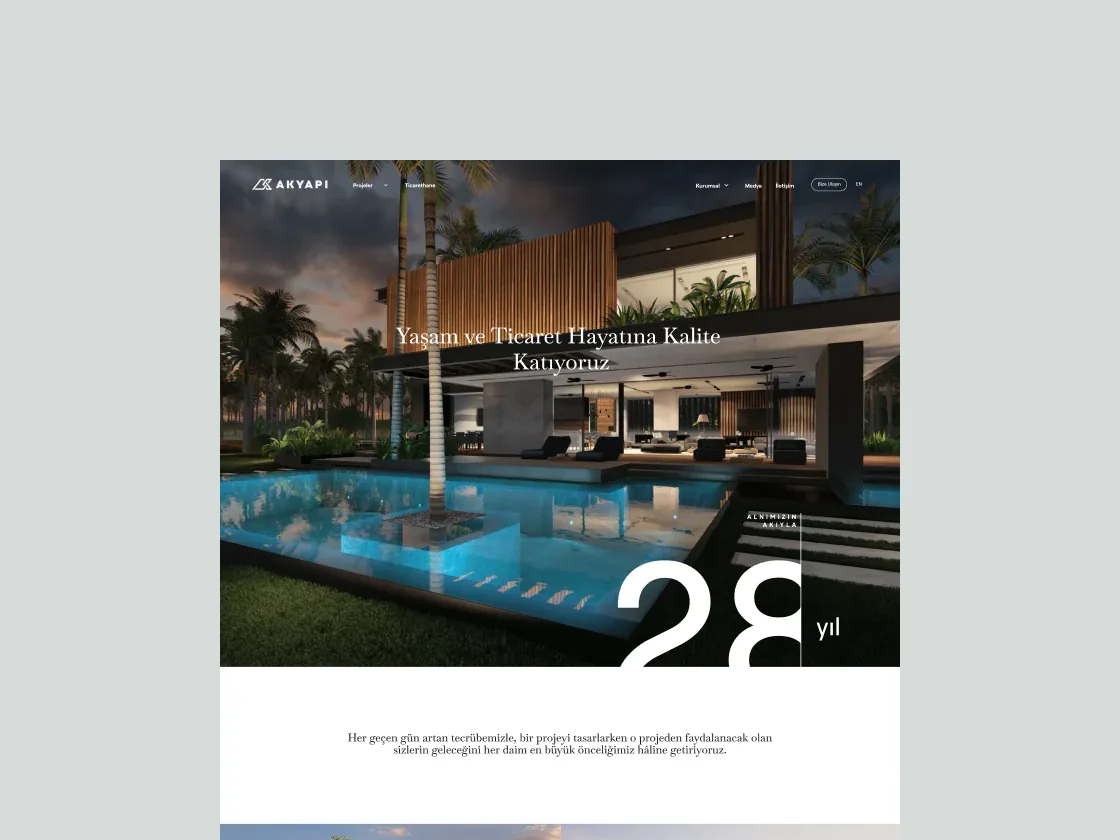
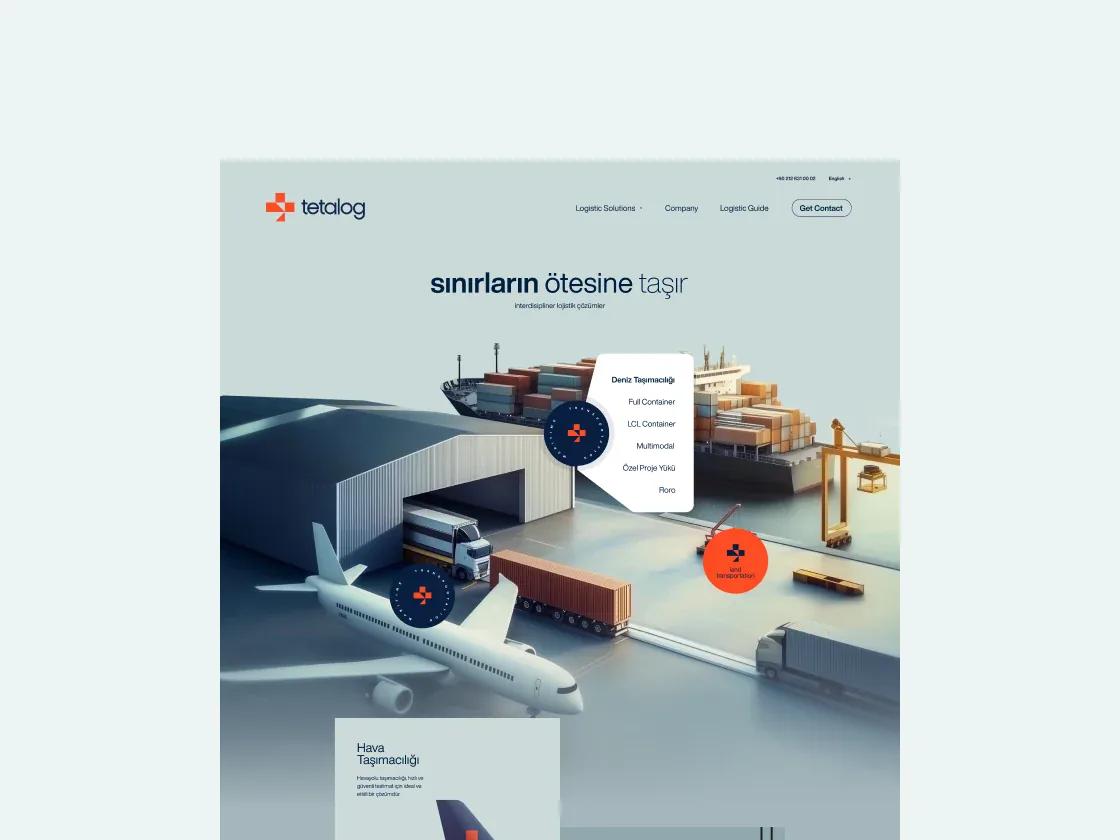
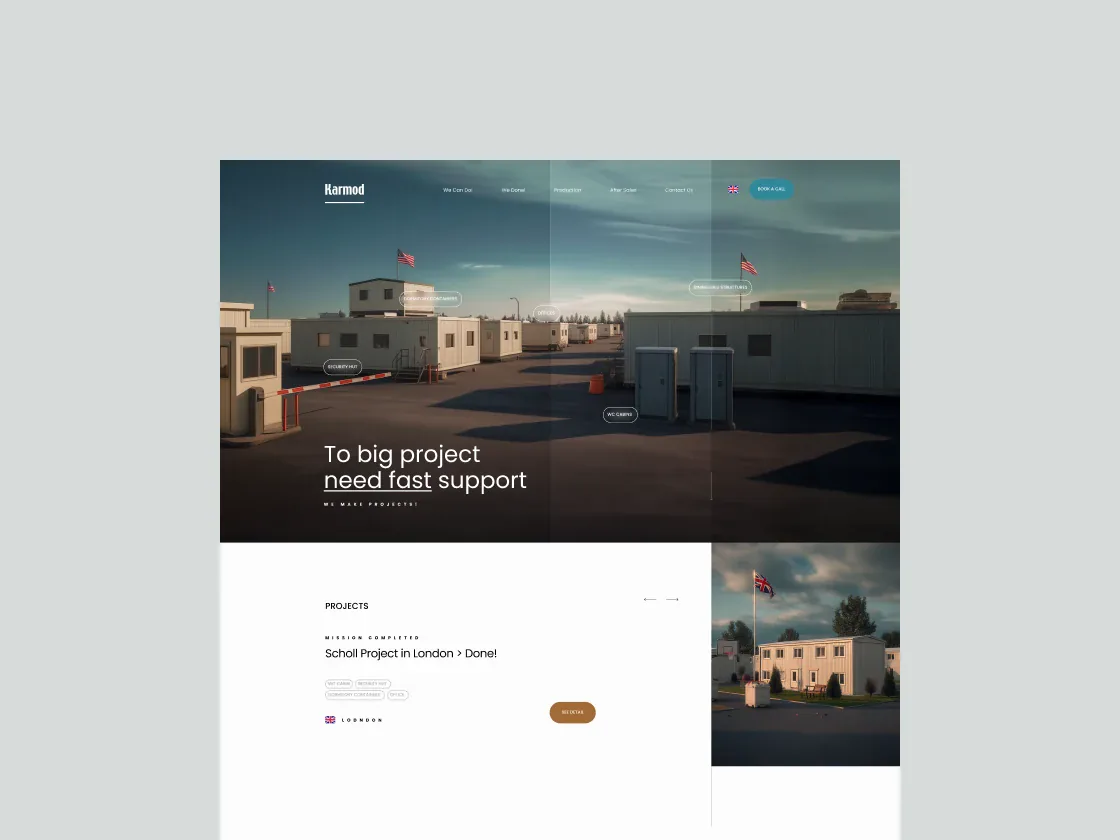
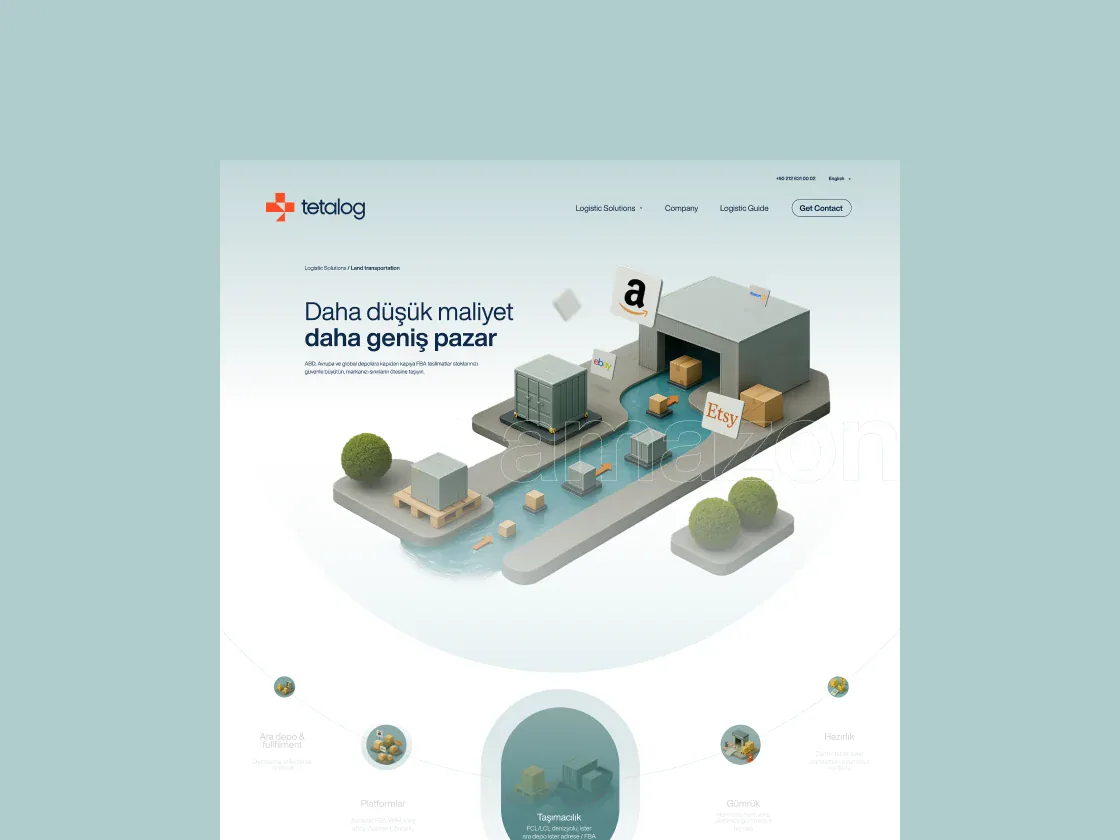
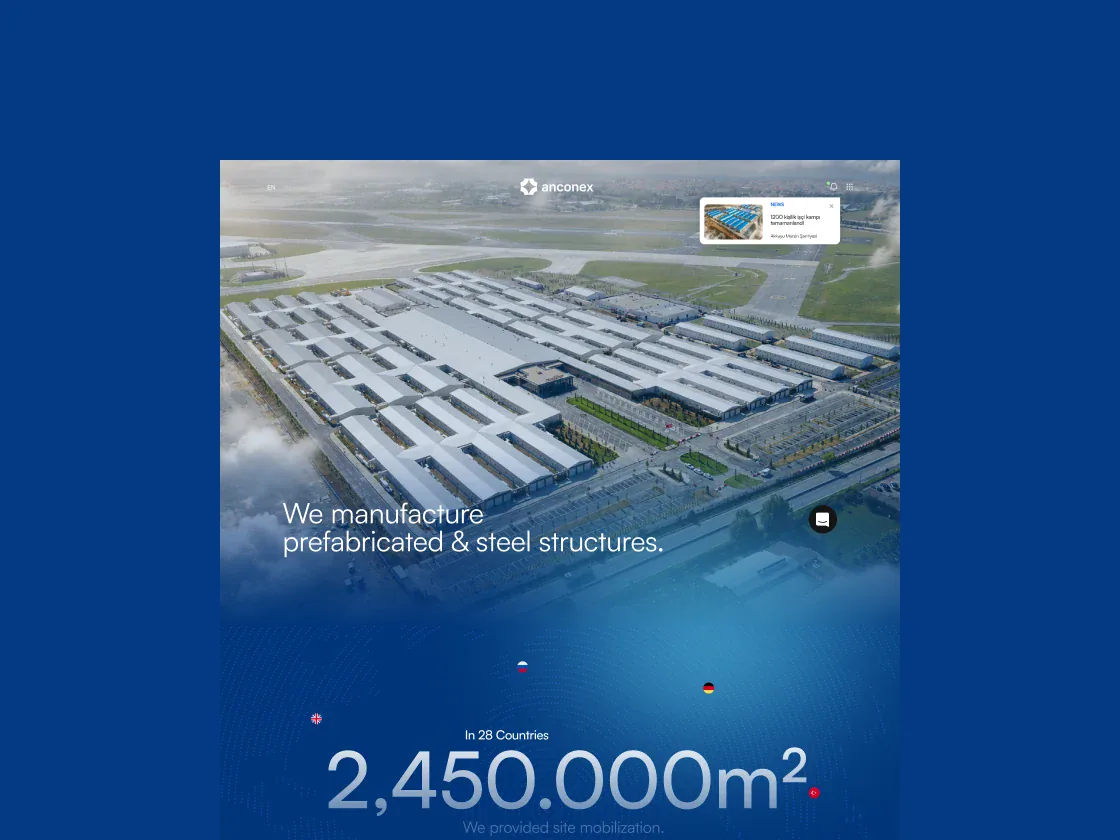
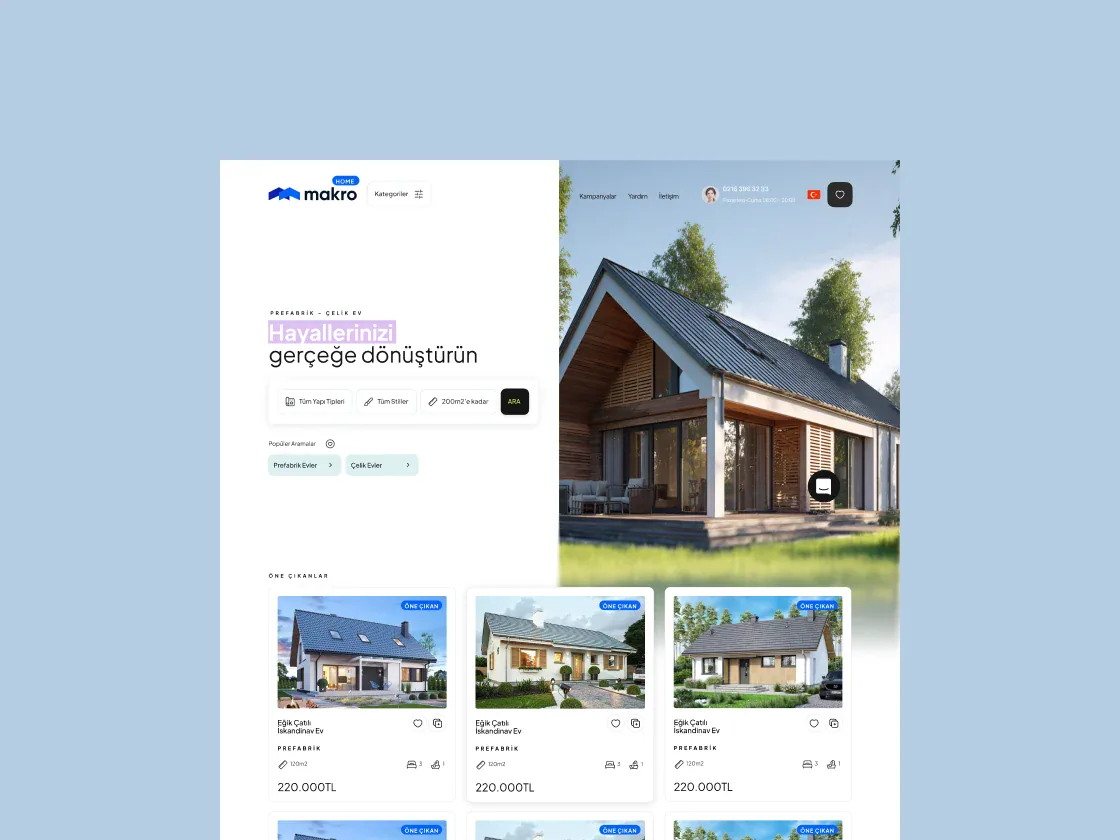
Completed Web Design Projects
Web Design Pricing
Choose your project scope and see an approximate range instantly. A final quote follows once the content volume is clear.
The same job, different teams
Process
Website and Content Structure
Every web project starts with understanding user behavior before any design work. At this stage we review industry benchmarks, competitor analyses, content architectures and page flows. If Google Analytics is in place we read the existing behavior data; if not, we work from the scanning patterns known on comparable sites.
This is where it becomes clear on which pages user intent takes shape, which content types speed up decisions and which blocks of information create confusion. The goal isn't just comparison; it's to put the reasoning behind the project's information architecture and design decisions on solid ground.
Alongside the benchmarks we run a short UXR framework: the user's mental model, the way they scan a page, how they search for information and their most critical decision moments. This step makes sure the website isn't just beautiful, but built around how people actually behave.
Website and Content Structure
The insights from research are turned into a concrete structure. Building on the user's mental model, scanning habits and decision moments, we create the site's information architecture. The order of content blocks, the page layout and the logic of navigation are settled here.
We define which question each page answers and which content type serves which user intent. This structure describes not only where information lives, but how the user moves through the page.
Once the product and content structure is complete, the backbone of the website is in place; every decision in the design phase is built on top of it.
Interface and Experience Design
On the web, design isn't just an aesthetic surface; it's the system that makes the user's decision journey easier. Here we work on typography, visual hierarchy, content layout, interaction points and page rhythm. Every page behaves like a continuation of the previous step, so the user is never left wondering where things have been put.
The result is a modern, consistent experience built on readability and trust. If needed, this stage can be supported visually with interface previews, web component examples and homepage concepts.
Prototyping and Testing
Every page is built as an interactive prototype. On it we test navigation flows, menu behavior, content density and page transitions. Any friction points along the user's path become visible at this stage.
When prototyping is planned well, development moves faster and more predictably.
Development
Development follows a lightweight, scalable front-end architecture aligned with the design system. Modern web technologies (Next.js, Tailwind, component-based structures) deliver a high-performance build.
If the backend is ready, the design is integrated directly with the existing APIs. If the backend is missing or needs rebuilding, the panel structure, data model, services and integration flows become part of the project scope. This is where Pikap CMS comes in for content management. The panel has a modular structure that works in step with the design system's components, so adding and updating content never requires technical knowledge.
Keeping design, development and content management under one roof lets the website keep growing consistently and smoothly after launch.
Web Design and
Experience Insights
Information should follow the same order as the user's mental model
Everything on the page should speak in a single tone of voice
How Sales-Driven Websites Work
A website is more than a set of good-looking pages. Before users notice the design, they feel the flow of the structure. That flow is made of invisible micro-decisions: the order of content blocks, the weight of headings, how much the page breathes, how clear the navigation is, how visual density is distributed and the sense that a page is complete.
This invisible structure is the most critical layer, shaping both how fast a site is read and how well it converts.
Which Scenario Fits You?
Every brand has its own reason for starting a web project. The scenarios below help you see which approach suits which situation.
People reading this page usually also ask
How long does the web design process take?
Çağakan Bağcı Head of Agency
It depends on the number of pages, the amount of content and the technical requirements. For an average-sized website, design takes three to six weeks.
That time isn't only spent drawing pages; setting up the information architecture, putting content blocks in the right order, testing prototype flows and clarifying technical needs are all part of it.
Do we need to rebuild the whole site?
Çağakan Bağcı Head of Agency
Not always. In some projects, simply updating the information architecture or refreshing the tone of the content makes the site far easier to understand.
But if the design system is outdated, performance is poor or the panel is limiting to use, a full redesign may be the better approach.
What is the most critical stage of web design?
Çağakan Bağcı Head of Agency
In most projects, information architecture is the decisive stage. The order in which a user's questions are answered, how those answers are grouped and the flow they're presented in form the foundation of the experience. Design only becomes truly functional when it rests on the right information hierarchy.
Do we have to use a panel like Pikap CMS?
Ahmet Sağırlı Fullstack Developer
It isn't mandatory, but most projects choose it for long-term ease of use. A CMS frees content updates from technical dependency, lets pages scale quickly thanks to its modular structure and lowers maintenance costs because it works in step with the design system.
Are SEO, content strategy and design independent of each other?
Hamdi Gültekin Digital Marketing Lead
No. SEO isn't just keyword optimization; information architecture, heading structure, content blocks, readability and page speed all count.
They are a structural, not merely technical, part of SEO. When design and content strategy are handled together, search visibility rises naturally.
Web design in depth
What Is Web Design and What Does It Bring to Your Brand?
For a brand, the first impression in the digital world usually happens on its website. Within the first few seconds, visitors decide based on trust, speed, order and the quality of the message. That is exactly where web design comes in. At its core, it is a planned site structure that brings a brand's digital identity together with the user experience. Many people wonder what web design actually does. The answer is simple: a well-planned structure makes a brand easier to understand, makes communication easier and speeds up lead generation. Businesses searching for web design in Gebze and brands looking for web design support in Kartal share the same expectation: a site that builds trust, loads fast and is built to convert. Among the firms offering web design, Pikap Agency stands out with an approach that brings strategy and appearance under one roof.
How Does the Web Design Process Work?
One of the most common questions when building a site is how web design is actually done. In a healthy project, the first step is identifying needs. Which service will the brand explain, who will it reach, should phone enquiries grow or should the form completion rate rise? The goals come first. Then a content map is prepared. The homepage, service pages, about page, references, contact and any campaign pages are considered within the same structure.
The second stage is defining the design language. The color palette, typography, visual direction and button placement are aligned with the brand's tone. A good web design agency doesn't just deliver a good-looking screen here. It also plans where users will look, the order they'll move in and the point at which they'll get in touch. For businesses looking for a web design agency in Gebze, local competitive dynamics matter; for brands serving the Kartal area, regional search intent is what counts.
The third stage is software and interface development. Desktop and mobile compatibility are checked, page load speeds are tested and forms are made functional. Then the content is placed. Service descriptions should be short, clear and persuasive. Complicated sentences tire visitors; clear writing shortens the time it takes them to decide.
One thing most businesses skip in the needs analysis is their audience's device habits. In some industries most visitors arrive on their phones; in others, desktop browsing lasts longer. Form field sizes, the visibility of the call button, menu depth and the quote request flow are shaped accordingly. For brands serving a local area, maps, location, quick calling and a short quote form carry more value. For more corporate structures, reference pages, team sections and detailed service descriptions make a stronger impression.
To make the process more visible, the main steps usually run as follows:
- needs analysis and goal setting
- page plan and user flow setup
- visual design work
- software development and testing
- content placement and pre-launch checks
A good web design agency explains decision points to the client plainly. Instead of unnecessary technical clutter, it shares a clear roadmap. Many businesses searching for a web design agency are looking for exactly this kind of transparency. At the end of the process, the result is more than a digital storefront; it becomes a working system that supports the sales team.
Once the design is approved, the pre-launch rehearsal begins. Reading every page one by one matters here. Copy, image quality, form messages, dropdown menus and the mobile view are all checked. Mistakes that seem small can quickly undermine a visitor's sense of professionalism, so it's better to move cleanly than to rush.
How Is Conversion-Focused Web Design Structured?
A stylish site doesn't always deliver results. In a conversion-focused approach, the real goal is to move visitors to the right next step without wearing them out. Goals such as filling in a contact form, requesting a quote, switching to WhatsApp, making a call or browsing products sit at the center of the design. This is where the difference between a professional web design agency and an ordinary build is clearly felt.
First, the page hierarchy has to be clean. What does the heading say, which question does the section answer, where does the button lead? Users should grasp this at first glance. Too much text, irregular spacing and a confusing menu erode trust. Clear headings, simple blocks and visible contact areas, on the other hand, make decisions easier. The phone- and location-driven flows that local businesses in Gebze often need also perform well in web design projects in Kartal.
The second point is trust signals. A references section, real imagery, a team introduction, clear calls to request a quote and a strong content voice make a site more credible. Looking at award-winning websites, you see that what they share isn't just polished visuals. A simple flow that guides the user, a clear quote area and a trustworthy information layout come to the fore. This is exactly where an award-winning web design approach earns its value: layouts that build engagement rather than show off make the difference.
The third point is marketing integration. A site shouldn't be treated as a standalone screen. The landing page for visitors arriving from ads and the content pages that welcome organic traffic are built for different needs. In a structure backed by SEO, headings, content blocks, link structure and page experience are planned more deliberately. A flow built this way makes it clear why the support of a professional web design agency matters.
People searching for a web design agency rarely judge on visuals alone. At agencies that get results, the user journey, lead capture infrastructure and sales goals are handled together. When building a conversion-focused structure, giving each page a single main purpose makes things easier. The homepage builds trust, the service page persuades, the contact page starts the conversation. When every page tries to do everything at once, the impact weakens. Giving visitors a small but clear direction in each section works better. Not hiding the contact area at the bottom of the page, keeping tappable call buttons visible on mobile and writing the quote copy plainly can all lift the conversion rate.
Another critical point is thinking about content and design together. When copy feels bolted on afterward, the page looks scattered. But when headings, descriptions, trust blocks and calls to action are planned together from day one, the flow feels natural. In well-structured projects, visitors don't have to guess what to do; the path is clear, so deciding is easier. This mindset turns web design from an aesthetic exercise into a commercial investment.
Why Does SEO-Friendly Web Design Matter?
However strong a site looks, reaching new users is hard if its search visibility is weak. An SEO-friendly structure considers appearance and technical foundations together. Mobile compatibility, fast loading, a clear link structure, an orderly heading hierarchy and crawlable content blocks directly affect search performance. Since search engines evaluate pages from a smartphone perspective, mobile experience is now a basic requirement. Within page experience, speed, a secure connection, mobile display and a clearly distinguishable main content also matter.
On the content side, structured data can strengthen visibility too. Search engines use structured markup to better understand what's on a page. FAQs, product information, company details and similar areas can earn richer results with the right markup. It's worth knowing that this isn't guaranteed, but the right structure still creates a meaningful advantage.
When well-crafted content and a strong technical foundation work together, visibility becomes more stable. Award-winning websites sometimes have outstanding visual quality, but aesthetics are not the only measure of search success. An approach that puts the user at the center, carries useful content and cares about page experience delivers more lasting results.
This is precisely where the support of a professional web design agency pays off. For businesses looking for a web design agency in Gebze, local page structure, service page architecture and technical setup should be considered under one roof. When an award-winning design approach is combined with SEO compatibility, a site reaches more people, earns more trust and generates leads more consistently.
The Advantages of Working with a Professional Web Design Agency
For a brand owner, the most critical thing is not losing time. When a project is handled by a single team, content, design, development and the launch schedule run more smoothly. Working with a professional web design agency simplifies decision-making. It becomes clear who does what and when. Revision rounds don't drag on and confusion within the team drops. An experienced web design agency listens to what the brand wants to say and rebuilds the message from the user's point of view. A client who understands why things are done, rather than being worn down by technical jargon, decides more comfortably. That is exactly what brands working with Pikap Agency value: clear communication throughout, needs seen clearly and a project flow free of unnecessary clutter. In a professional web design approach, strategy, user experience and technical development decisions are managed toward the same goal. As a corporate web design agency, we approach this process holistically through brand goals, user behavior and measurable results.
Another advantage is measurable progress. Form submissions, call clicks, page journeys and campaign performance become easier to read over time. In web design projects focused on Gebze, local lead generation grows stronger; in corporate projects, brand perception and content depth do. Another relief an agency brings is revision management. In scattered projects, when the visual team, the development team and the content writer all think differently, the project stretches out. When the process runs from a single center, revisions come together faster. How a change will affect design, speed or content balance is visible from the start. The brand doesn't feel burdened with follow-up, and work moves forward calmly and clearly. When people search for a web design agency, they want to find a team that takes ownership of the work and moves forward with data.
Why Do Website Design Prices Vary?
Many brands focus on cost first when requesting quotes. Yet visual work is not the only thing that sets the price. The number of pages, the need for custom software, content production, multilingual support, an admin panel, integrations and technical testing all directly affect the total budget. As searches for web design prices in 2026 grow, quoting a standard figure is rarely realistic. The project's goal is always taken into account when setting web design fees. A promotional corporate site and a detailed service site built to collect quotes can't be evaluated within the same scope. Website design fees vary with the technology used and the density of content. Template-based builds may have a lower starting cost, while custom interfaces and custom software require more effort.
In local competition, this becomes even more pronounced. The needs of businesses searching for web design in Kartal and brands addressing a wider service area may not be the same. When researching web design prices for 2026, most people want to see a single table. In reality, scope, delivery time and performance expectations are what decide it. When comparing web design fees and website design fees, the project goal, maintenance support and room for development should be weighed together. Most users searching for a web design agency want exactly that: a comparable, transparent quote.
What Stages Make Up the Web Design Process?
Looking at the core stages, the process comes down to six main headings: taking the brief, setting goals, mapping the site, design explorations, development, and testing and launch. A flow that looks simple on paper needs detail in a real project. At every stage, user behavior and brand goals are considered together. The first meeting gathers expectations. Next, rather than how competitors look, the industry's language of needs is analyzed. Then the page architecture is built, making it clear which page informs, which collects leads and which builds trust. During development, mobile compatibility, speed, form fields and tracking codes are put in place. In testing, broken links, missing images, form errors and device compatibility are checked.
In a good project flow, communication never breaks down. The client knows what they'll see and when. For brands working with Pikap Agency, the main reason the process feels easy is that the plan is visible. For people searching for a web design agency, trust is often built in the very first meeting. If the flow is clear, the project runs smoothly. In the right hands, web design becomes a powerful touchpoint that supports a brand's digital growth. The work isn't over at launch. Reading data, strengthening weak pages, opening new service areas and updating the content structure are all part of what follows. Rather than expecting perfection from day one, measuring and improving is the more realistic approach. With a revision culture that follows the brand's growth rhythm, the agency team turns the project into a living structure. For the brand, the most valuable gain is to stop seeing the site as a mere storefront. A well-structured site supports sales conversations, improves the return on ad spend and lays a solid foundation for content work. Trust in the short term, visibility in the medium term and a steadier flow of leads in the long term: that is exactly where the difference is made.