
 Submit Form
 Create Meeting
Mobile applications are digital products through which brands establish the most direct contact with users. Success is determined not by the number of screens but by the core structure of the product.
This page describes the design and development process followed by Pikap in its mobile application projects.
Establishing the application's logic, creating the information architecture, and clarifying the flows are the fundamental steps of the work. The goal is to design a product that is easy to use, understandable, and durable.
Every mobile application project begins with clarifying the core product decisions.
At this stage, user needs, business goals, and application usage scenarios are evaluated. Information architecture, flows, and user stories are created accordingly.
This work ensures that the application grows correctly and consistently in later stages.
Design; is the backbone of the relationship users establish with the application.
The interface is planned to be in harmony with the brand's language. Information hierarchy, interaction details, and ease of use are the focus at this stage.
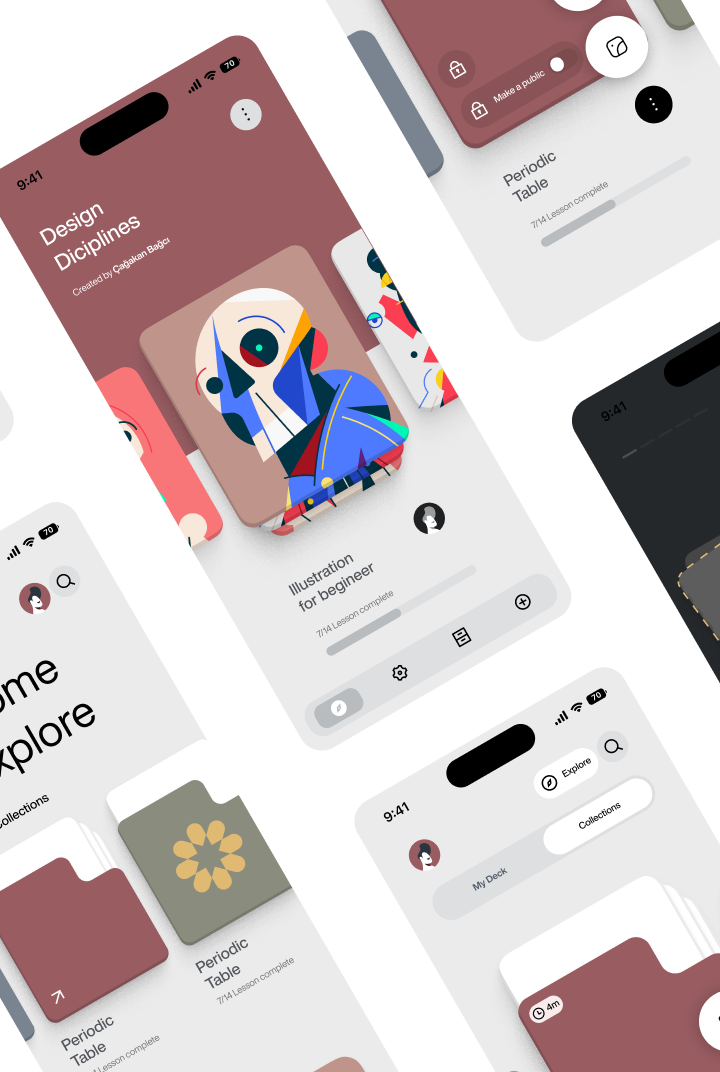
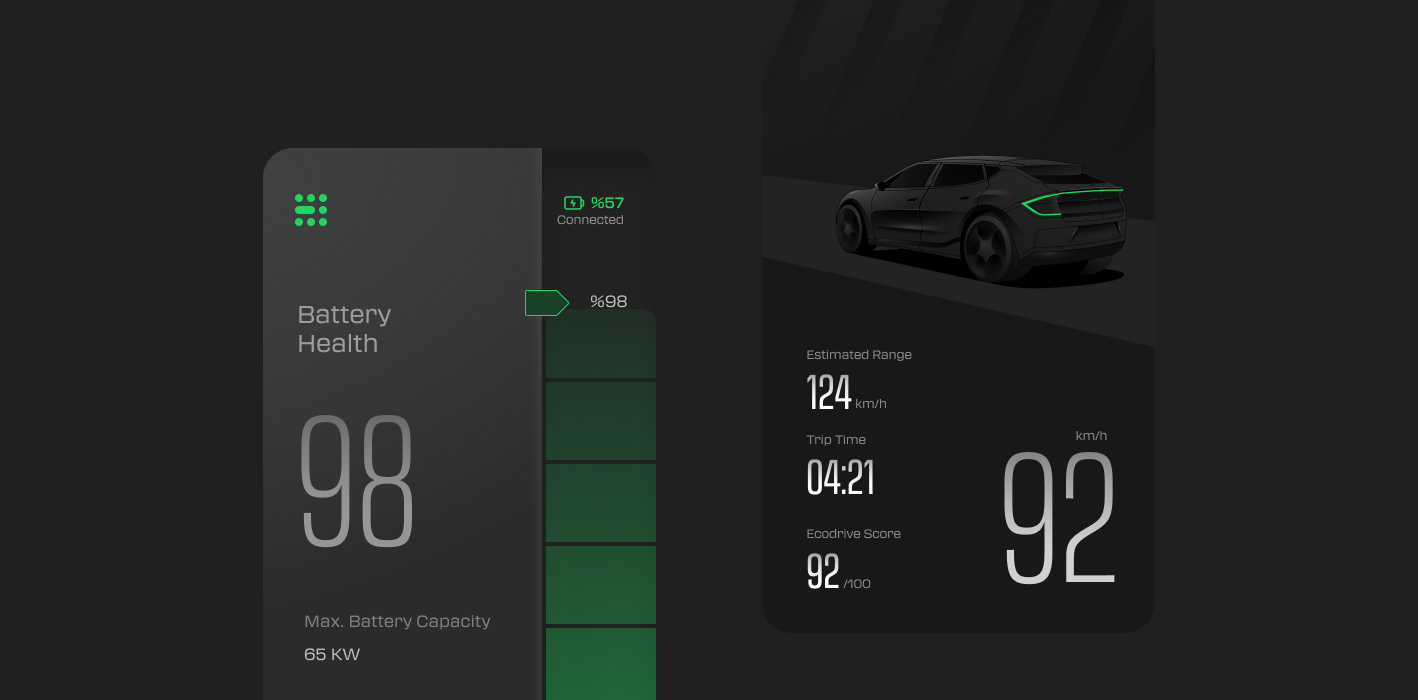
The resulting structure offers a simple, understandable, and quickly learnable experience. In this section, Tracky and other interface examples can be visually supported.
All screens are prepared as interactive prototypes.
Scenarios are tested on this prototype, flows are checked, and potential issues are identified. The testing process reduces development risk and helps the team understand the product more clearly.
Pikap can also undertake mobile application development.
The front end of the application is prepared with Flutter on a single codebase.
This approach allows for fast and consistent production of iOS and Android versions.
We can also set up the backend architecture required by the application.
Management panel, API structure, data models, and integration layers can be developed by Pikap. If you have an existing system, the application is configured to communicate directly with your APIs.
Managing the process between design and development by a single team makes the project secure and efficient.
A mobile app is not just made up of drawn screens. The user perceives the behavior of the app long before seeing the screen. This behavior; the rhythm of transitions, feedback at the moment of touch, how one screen connects to another, how loading moments are resolved—are unseen micro-decisions that define the entire experience. Pikap approaches this area not only as an aesthetic layer but also as an integral part of the product's functioning mechanism.
Interaction design begins with the user being able to feel what the app does without thinking about it. Motion is the fundamental tool that makes this intuition visible.
 Çağakan Bağcı
Head of Agency
Çağakan Bağcı
Head of Agency
 3
3
The user adopts or abandons the app within the first 30 seconds.
If the information hierarchy is complex, usage rates decline rapidly.
Design consistency directly reduces maintenance costs.
In mobile application projects, needs often seem similar, but project types are quite different from each other. Some teams only need UI design, some teams want to revisit the front end because the backend is ready, and some teams are developing a product from scratch. The scenarios on the side help you understand which approach is suitable for your project.
If you are developing an application from scratch;
Product design, flows, and layout are planned together; if necessary, development is also done under one roof.
If you are renewing an existing application;
We reconsider user flows, screens, and motion language; making the experience more understandable and consistent.
If your backend is ready;
Application design and Flutter frontend development proceed in direct harmony with your backend.
If there is no backend or it needs to be renewed;
The mobile interface and backend architecture are built simultaneously; data model, management panel, and API structure are clarified.
If you're unsure;
A brief meeting where we evaluate your project together is enough to determine the right approach.
The duration of a mobile application design varies depending on the scope of the product, the number of modules, and the differences between user roles. For an average-sized application, the design process takes between four and eight weeks.
This process is not only a period during which screens are drawn; it also includes establishing the information architecture, verifying flows, and clarifying user behavior.
If the prototype phase is properly prepared, the development process proceeds more quickly and with less risk.
In modern mobile development approaches, single-code systems like Flutter are highly compatible with design consistency. Its widget-based structure facilitates the reuse of interface components with the same behavior principles.
When a proper design system is established, it becomes easier to maintain the same consistency across both Android and iOS. During the design process, this technological framework is considered, and the behavior maps of components are systematically defined.
The first version is often a testing ground offered to users. Without real usage data, it is difficult to predict where the application will face challenges, which steps will accelerate, or which modules are unnecessary. How users utilize the application in daily life reveals much more than the theoretical correctness of the design.
For this reason, Pikap sees the launch not as an endpoint but as a starting point for measurement and shapes the design system according to subsequent versions.