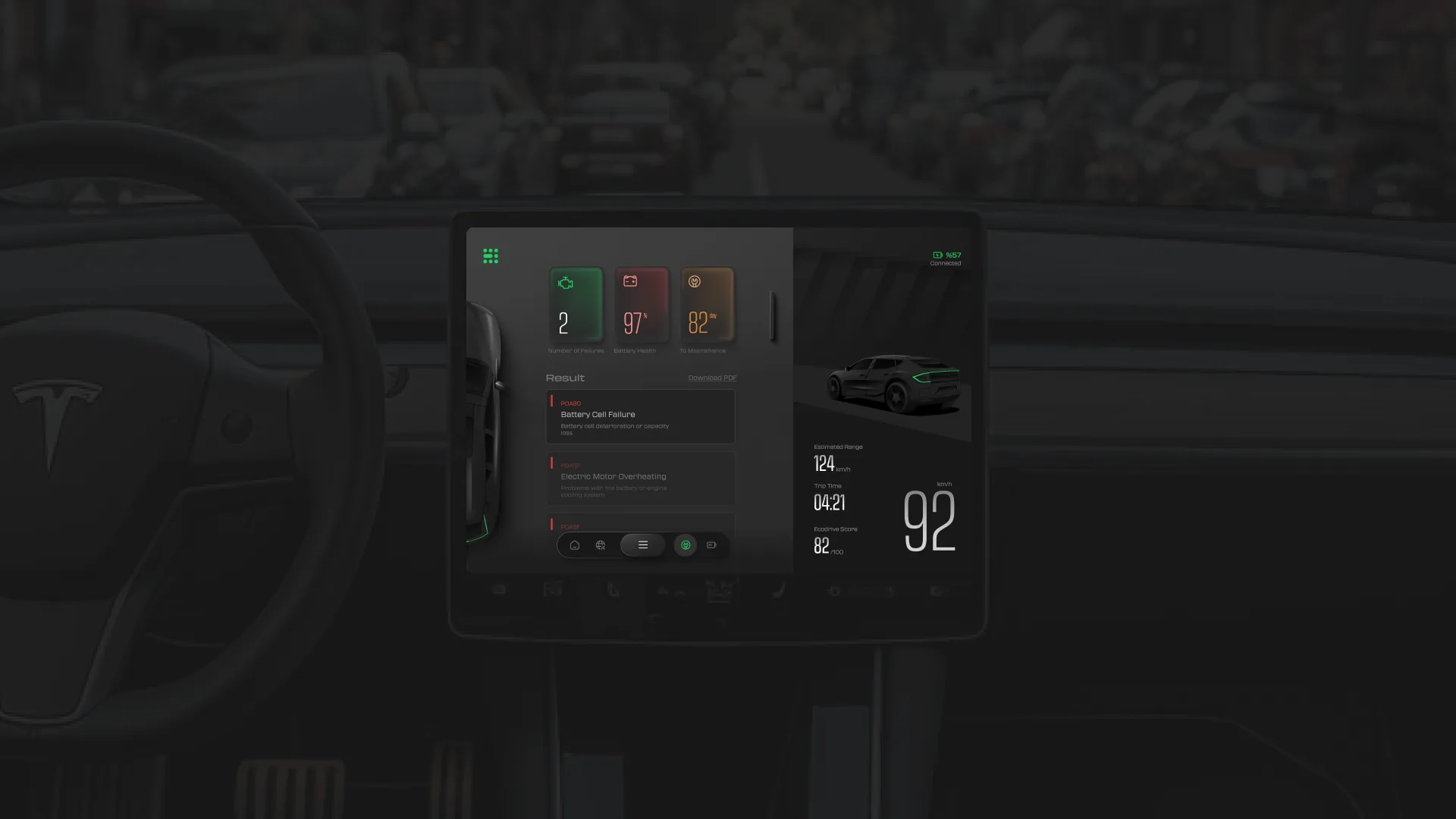
We created a real-time IoT platform that processes dense vehicle data instantly and presents it in a clear interface.
Sector: Electric Vehicles, Charging Stations, Automotive
Scope: UX/UI Design, Frontend, Backend, CMS Integration
Project Duration: 2 Months
Format: 12” LP • 33⅓ RPM • Stereo
Matrix: PKP-008-A / PKP-008-B
Made in Türkiye • ℗ & © Pikap Records 2026
What did we solve?
The core challenge at Tracky was turning high-frequency electric vehicle data into a mobile experience users can actually read. Raw MQTT messages from IoT devices, Bluetooth pairings and encrypted data streams were redesigned into a simple, fast and understandable structure in the interface.
Along the way, Pikap designed a dedicated information architecture, motion language and component system for data-heavy mobile apps, addressing user behaviour and technical requirements on the same axis.
The core architecture carrying the real-time data stream was redesigned, bringing metrics, status information and logs together in one readable structure.
We built a modular dashboard that gives users fast access to operations, vehicle status and live performance data.
Live data, statistics and trends were re-presented through simple chart components, with critical metrics prioritised.
The APIs carrying vehicle location, status and telemetry data were optimised, lowering latency and error rates.
A lightweight, performance-first structure was set up for real-time components, and the dashboard recoded to run smoothly on every device.
Data processing, caching and synchronisation were accelerated, keeping the system stable under heavy traffic.
Metrics, modules and technical terminology were standardised into language users understand more easily.
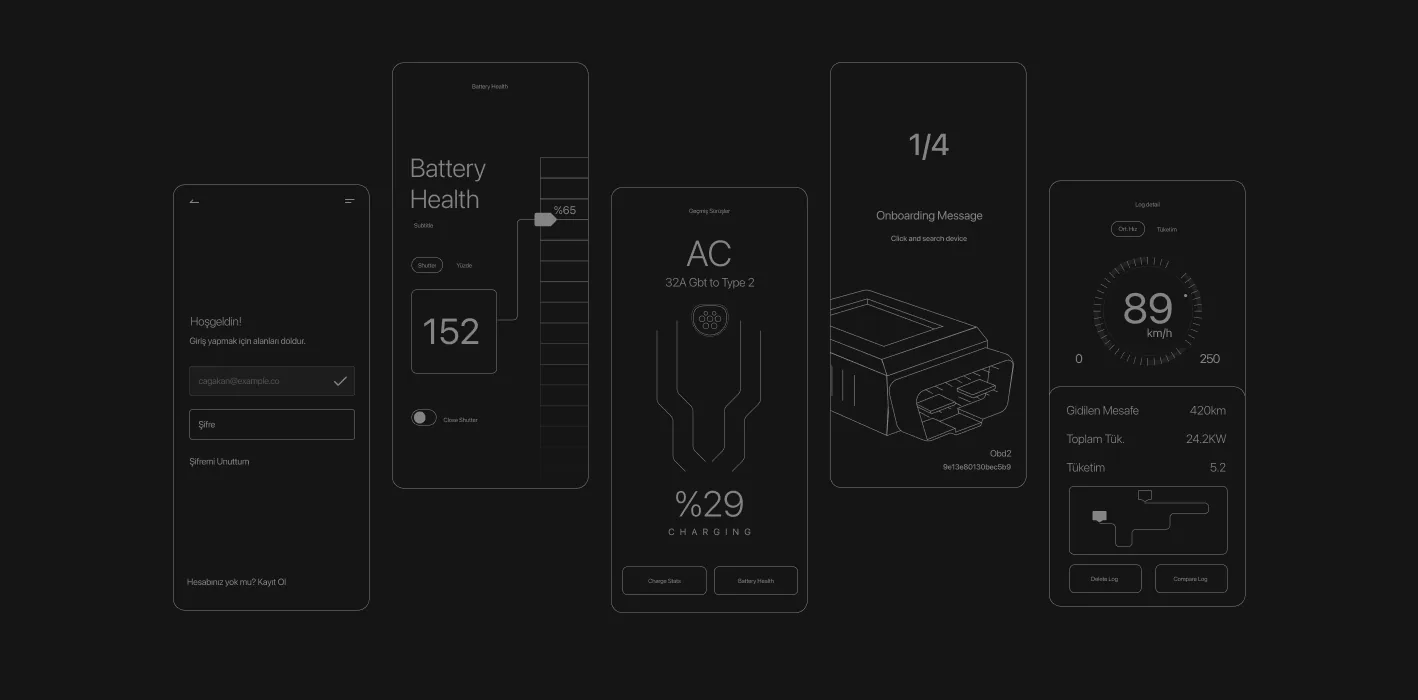
Every screen tells a different story, taking users on a visual and audio journey. Warm pastel tones reflect the energy of Tren’s venues in digital form.
Set against a dark background, this palette delivers a timeless modernity.
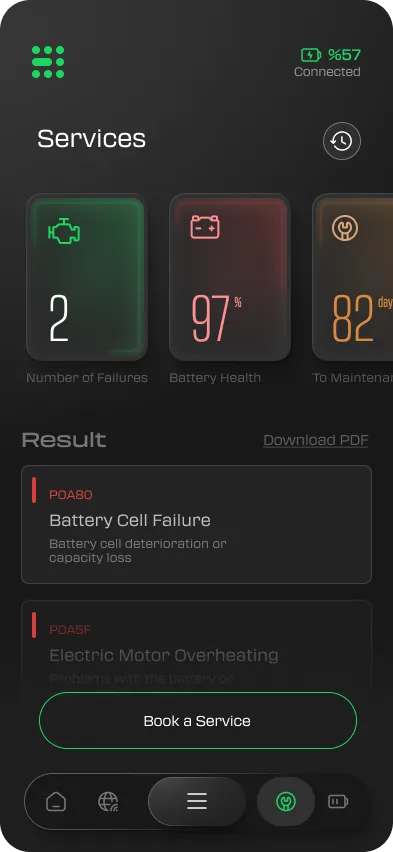
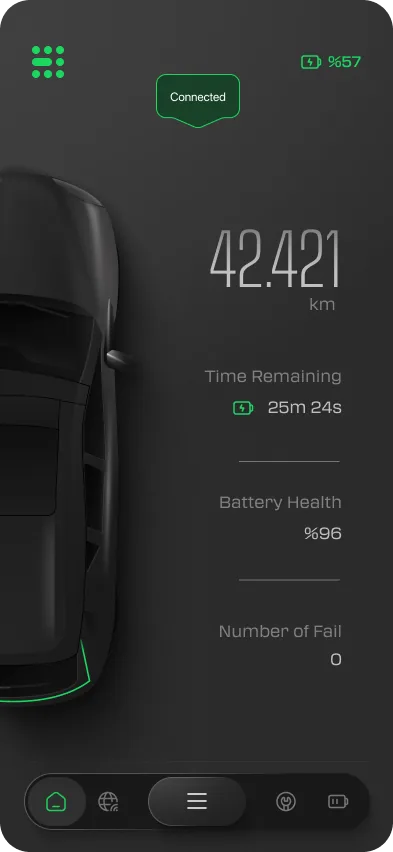
Because Tracky is an IoT system producing data that updates every second, the mobile interface had to be designed around behaviour, not just aesthetics. Data cards, charts and status components were restructured with a motion rhythm that keeps pace with the rate of change.
This approach delivered a major advantage in readability and response time, both critical for mobile apps that process real-time data.
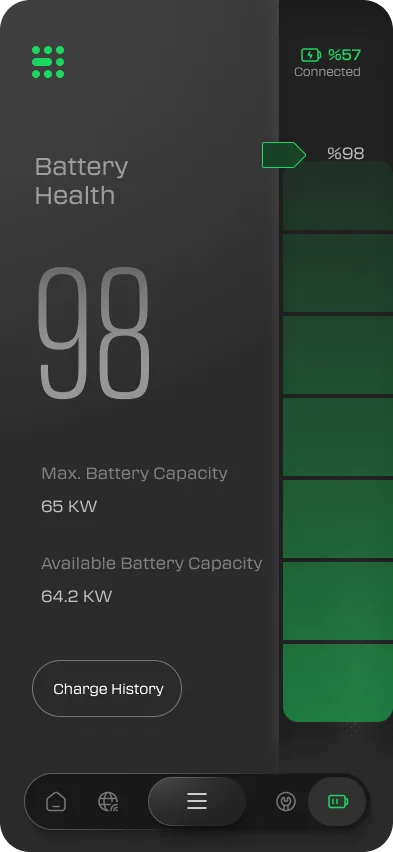
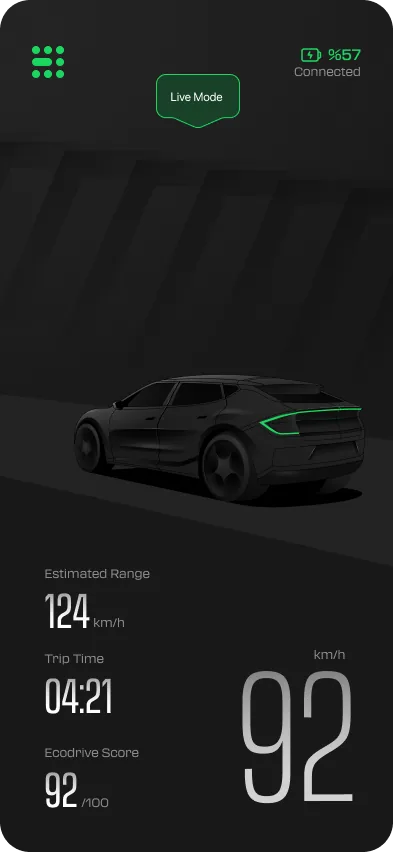
The technology behind Tracky is built on encrypted vehicle data, MQTT listeners, Bluetooth connection protocols and an SDK-based service layer. During design, Pikap mapped this data structure directly onto interface behaviour, creating a consistent product architecture for both the design and development teams. The technical complexity was turned into a simple mobile experience without ever reaching the user.
This architecture may not be visible in the mobile design, but it sits behind every decision. Each value shown in the interface is the processed form of raw data arriving from several sources every second. Because Tracky also includes an SDK-based service structure, its architecture is flexible enough to integrate with third-party tools or enterprise systems.
Tracky became a holistic product design project that turned a data-heavy IoT infrastructure into a simple, fast mobile app. The design system, motion language and information architecture laid a strong foundation for the front-end layer to be built in Flutter. Even as development continues, the app’s experience keeps moving forward in a consistent, scalable and user-centred way.