The Intelligence of Design That Sparks Growth
There is a common and dangerous misconception that design’s job is simply to make things look good. From this perspective, design is an aesthetic touch that joins the process only after the serious work, such as strategy and engineering, is done.
In today’s market, however, this view is long outdated. User experience is now far more than aesthetics; it is the strongest determinant of purchasing behavior and brand loyalty. Even the color of a button, the tone of a headline or the rhythm of white space has a measurable effect on users. That’s why every design decision is a hypothesis:
If we put this form here, will the conversion rate go up? Will this message hierarchy direct attention to the right place?
Every one of these questions is a growth question. Because good design attracts attention; smart design drives conversion.
Design Is a Growth Engine
Let me tell you about a source we often cite in our strategy presentations. According to the McKinsey Design Index, brands that put design at the heart of their business strategy increase their revenue by an average of 32%. This 32% advantage is the financial result of turning design decisions into measurable business hypotheses.
The findings of this large-scale study hold true across all three sectors examined, including medical technology, consumer goods and retail banking. These figures show that the potential for design-driven growth is enormous in both product-based and service-based industries.
Design Ops: Scaling Creativity
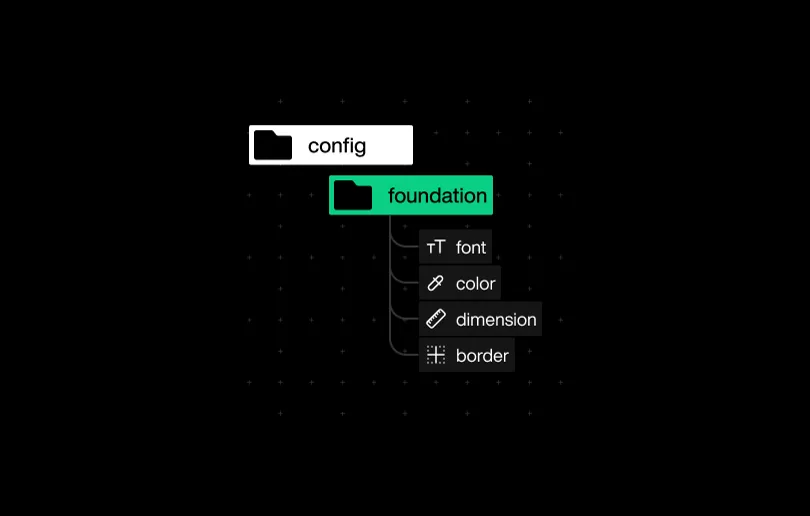
At Pikap, design is an operational system. We build every brand’s design language on a variable-based architecture: color, typography, spacing, buttons, CTAs and visual hierarchy are each defined as tokens. This way, we speak the same language in both design and code.
This system makes creativity repeatable. The designer is no longer just someone who produces, but an actor who measures and optimizes. Every landing page, every banner, every split-second decision is an experiment. The data gathered from these experiments is the raw material that feeds the brand’s growth loop.
A Design Ops culture transforms the agency model from a workshop into a laboratory, and this transformation gives rise to a new creative intelligence that combines intuition with data.
Engagement Is an Outcome
Engagement is a signal that users have found real value in a product and have chosen to interact with it. In other words, engagement is not so much the ultimate goal of good design as its result. Yet putting engagement metrics at the center often drags brands into behavioral design traps with blurred ethical boundaries.
Instead of genuinely earning users’ interest, creating notifications that trigger fear of missing out, artificial urgency messages or endless attention loops may seem to work in the short term. But in the long run, these approaches erode user trust and weaken the sense of belonging people feel toward the brand. It’s no coincidence, then, that people describe themselves as feeling constantly nudged.
For a brand leader, the real question is this: Are you truly creating value, or are you building a system designed to consume users’ attention? Genuine engagement comes from offering value meaningful enough to create voluntary loyalty.
The Pikap Approach: Design as a Growth Engine
In our model, design is the core that feeds every layer of growth: strategy, data, AI and system design all stem from it. From the semantic structure of a page title to the flow of a form, every detail is a measurable component of the user experience. Design establishes the language of that measurement.
That’s why, at Pikap, design is not a service. It is infrastructure. When we work with brands, we build this infrastructure first, because we know that sustainable growth is only possible when visual intelligence becomes systematic.
Summary and Source
In this article, we discussed design as a way of thinking that sits right at the center of growth strategies. We explained how design decisions become measurable hypotheses and how, when combined with data, these decisions create a lasting growth model for brands. And finally, we were reminded that engagement is the natural outcome of offering users real value.
I’d also like to share the source I drew on with you.
• McKinsey Design Index 2023